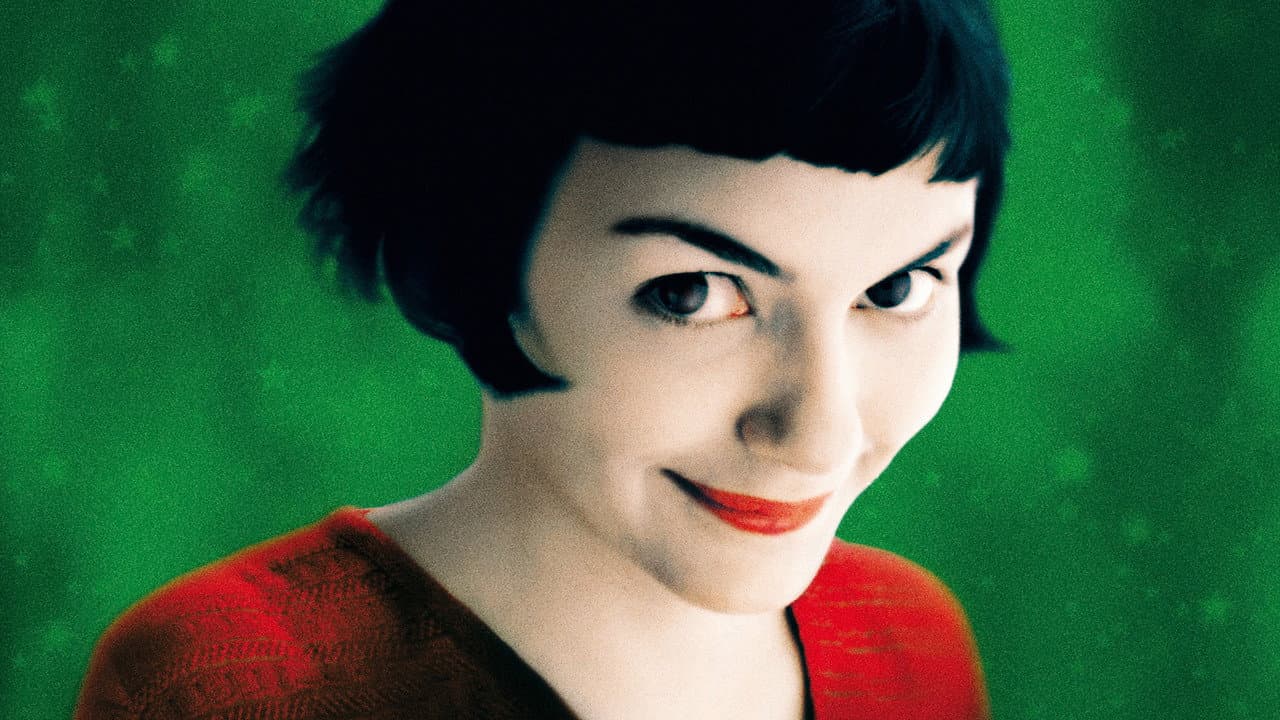
Amélie is a film about a shy Parisian waitress who fixes other people's lives while hiding from her own. Jean-Pierre Jeunet shoots Montmartre in impossible greens and reds, gives Audrey Tautou a look that does more than most scripts, and lets small kindnesses carry a whole story. It should be too sweet to work, and instead it became the feel-good film a lot of people measure the others against.
The films below chase the same warm, slightly magical mood, built around a lonely, watchful person and a world painted a little brighter than the real one. Some are French, some are storybook-bright, and a couple earn the glow the hard way.
The Science of Sleep
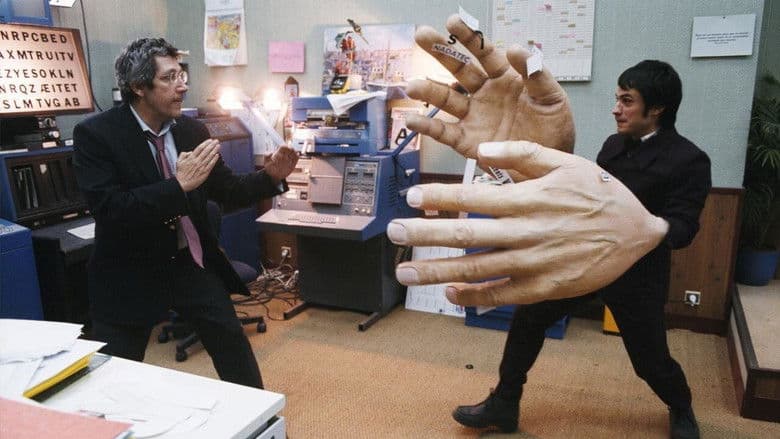
Michel Gondry follows a shy, hopeless dreamer (Gael García Bernal) whose homemade dream world of cardboard, cellophane, and stop-motion keeps flooding into his waking life and his fumbling crush on the girl next door. It is handmade to the point of childlike.
This is Amélie's closest cousin and a sibling to Eternal Sunshine: a lonely imagination given its own visual language, and a hero too lost in his own head to reach the person right in front of him. Both films believe the inside of a shy dreamer is worth building a whole toy universe to show.
Eternal Sunshine of the Spotless Mind

Michel Gondry and Charlie Kaufman built a love story out of a science-fiction premise: a company can erase a person from your memory, and Joel (Jim Carrey) signs up to forget Clementine, then fights to keep her as she disappears from his own head. The effects are handmade and dreamlike rather than slick.
It shares Amélie's tenderness toward people who are bad at their own happiness. Both films are inventive in the same homemade way, more interested in feeling than in polish.
Big Fish
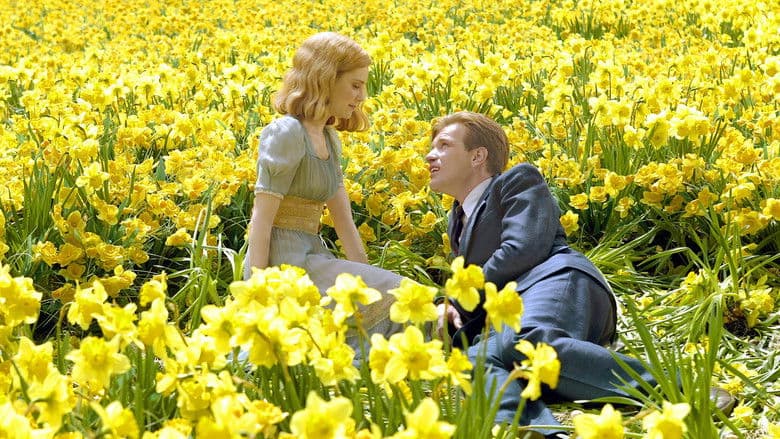
Tim Burton tells the story of a dying father who has always narrated his own life as a string of tall tales, giants and witches and a fish that got away, and the grown son trying to sort the man from the myth. Under all the whimsy, it's a film about grief.
Like Amélie, it treats invention as an act of love, a way of making the world larger and kinder for the people you care about. Both films argue that a beautiful story can be truer than the plain facts, and both are generous enough to let you believe it.
Tired of picking films by other people's ratings?
MyKinoList predicts your own. Start by rating a few films you've already seen.
Good Bye, Lenin!
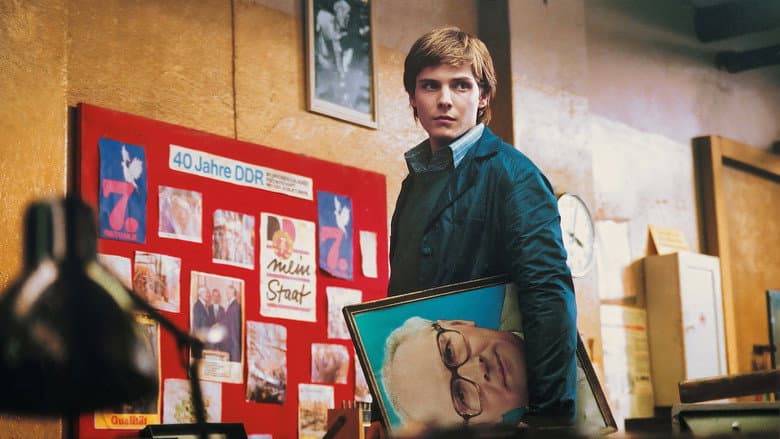
A young East Berliner's mother sleeps through the fall of the Wall, and her doctors warn that any shock could kill her, so he rebuilds the vanished country inside her apartment to keep her safe. The film is a comedy about a huge, tender lie.
The invention here is a whole country rebuilt for one patient, and the film finds its feeling in a son bending reality for his mother, much as Amélie bends it for strangers. Both are funny on the surface with something aching underneath.
Midnight in Paris
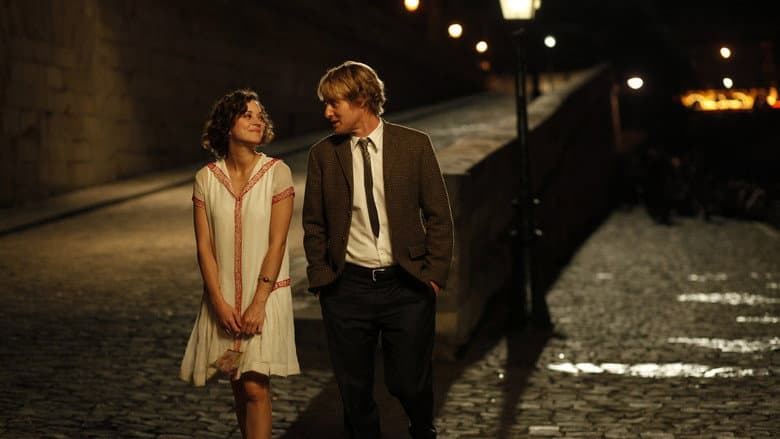
Woody Allen sends a nostalgic screenwriter wandering Paris at midnight, where a vintage car keeps carrying him back to the 1920s to drink with Hemingway and Fitzgerald. It is a light, glowing fantasy about loving a city and a past that never quite existed.
Like Amélie, it hands a daydreamer a magical version of Paris and lets the city itself do the enchanting. Both films are unapologetically romantic about the place, and both understand the particular ache of wishing you belonged to a more beautiful time than your own.
Moulin Rouge!
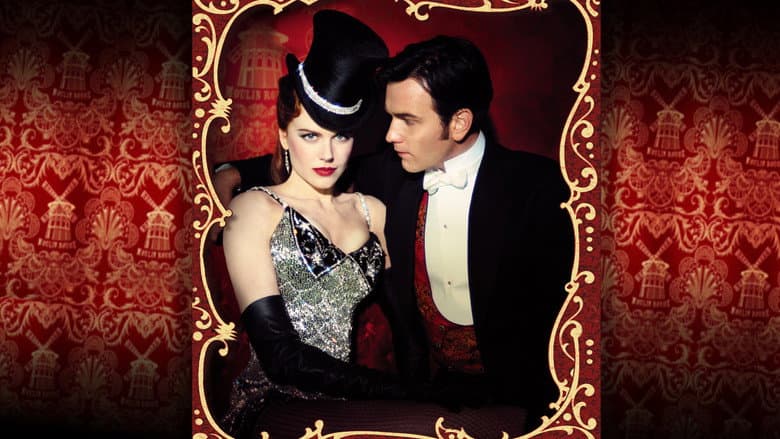
Baz Luhrmann throws everything at the screen at once: a Paris nightclub, a doomed romance between a poet and a courtesan, and pop songs sung straight into your face. Nothing about it is shy, least of all its big heart.
It is the maximalist cousin of Amélie's palette, the same saturated, heightened Paris turned up to a roar. Both films would rather overwhelm you with color and feeling than play it cool, and both trust that sincerity, done fully, lands harder than restraint.
A Very Long Engagement

Jean-Pierre Jeunet reunited with Audrey Tautou right after Amélie for this, where a young woman refuses to believe her fiancé died in the trenches of World War I and follows a thread of clues across France to find him. The war is the backdrop; the engine is stubborn hope.
It is Amélie's director and star bringing the same warm, magical eye to a bigger, sadder canvas. The two are equally lavish to look at and equally fixed on one person's longing, and they share a faith that a small, determined heart can bend a whole story toward it.
The Royal Tenenbaums
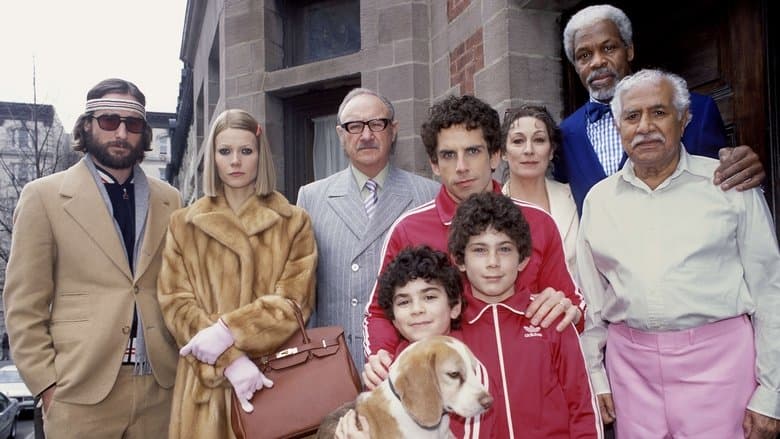
Wes Anderson's family saga lines up a house full of former child geniuses who peaked early and never recovered, then watches them fail their way back toward each other. Under the symmetry and the deadpan, it's heartbroken.
It lives in the same key as Amélie: a handmade, storybook world where sad people are treated with enormous care. Both films frame melancholy so beautifully that the sweetness sneaks up on you, and both would rather you feel something than laugh at anyone.
The Grand Budapest Hotel

Wes Anderson again, further into pure confection: a concierge (Ralph Fiennes) and his lobby boy run through a candy-colored, invented Europe of stolen paintings and pastry boxes. It is the most doll-house movie ever made about loyalty and loss.
Amélie and this share a delight in tiny, perfect objects and a world designed down to the last label, plus a melancholy that keeps the sugar from being empty. Both prove that a heavily stylized frame can still hold a lot of real feeling.
Lost in Translation
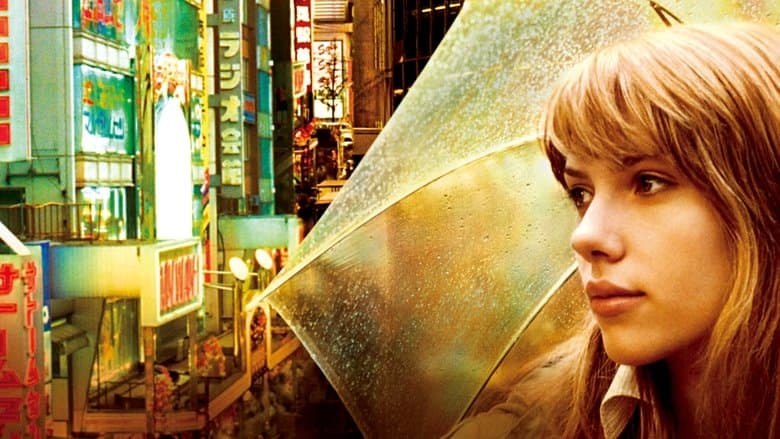
Two jet-lagged Americans, a fading movie star (Bill Murray) and a young woman adrift in her marriage (Scarlett Johansson), keep meeting in a Tokyo hotel and form a friendship neither can quite name. Sofia Coppola tells it in glances and silences more than lines.
Amélie and this both understand loneliness from the inside, and both find their warmth in the moment a shy person finally reaches toward someone. The attention here is quieter, but it lands on the same thing: two watchful people learning they are less alone.
Tired of picking films by other people's ratings?
MyKinoList predicts your own. Start by rating a few films you've already seen.