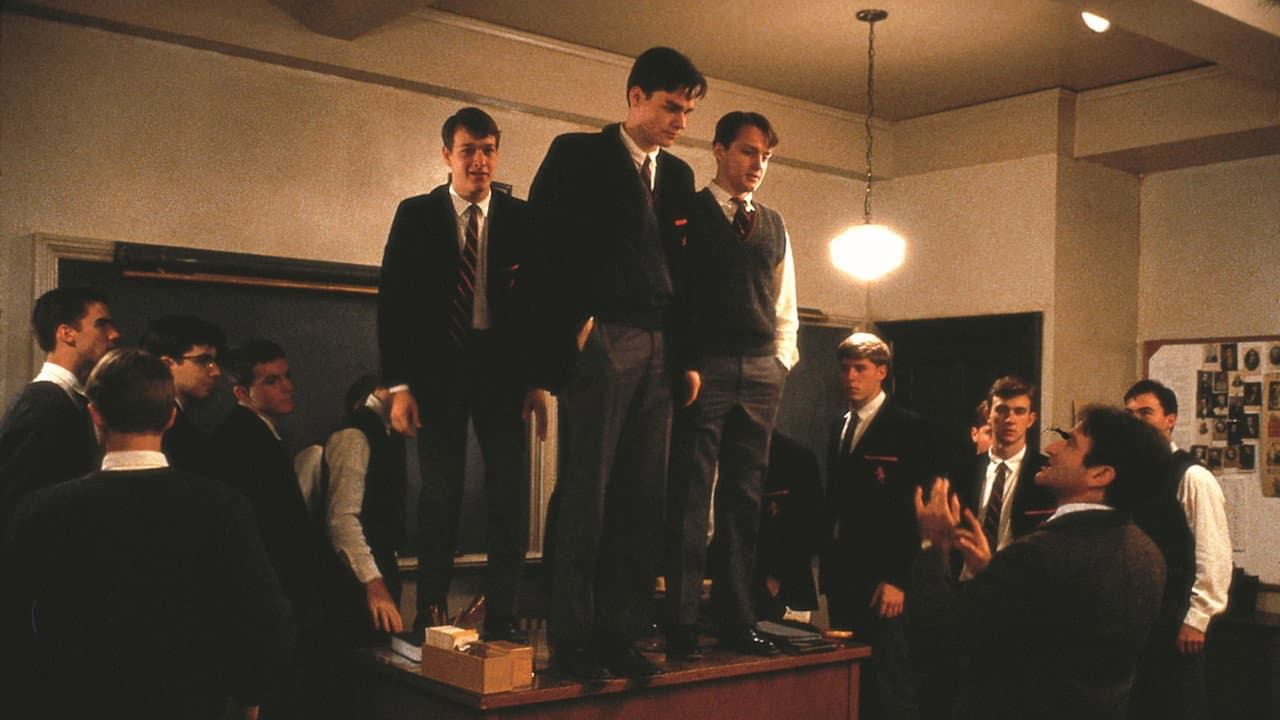
Most "fall movie" lists are really lists of sweaters and orange light. The films here use autumn the way a calendar does. Dead Poets Society opens on the ceremony that starts the fall semester of 1959 at a Vermont boys' school, and the whole story runs on the school year. Peter Weir actually shot it in Delaware, at St. Andrew's School, between mid-November 1988 and mid-January 1989, timing the work to the school's Thanksgiving and Christmas breaks. So the film that defines the start of the school year was made while a real school was on holiday.
That is why the list runs by month rather than by release year. It starts in September with new teachers and new terms, moves through October and the apple harvest, reaches the Thanksgiving rush, and ends on the other autumn, the one people mean when they talk about the autumn of a life. There is no horror here and none of the usual comfort-movie suspects, only films where the season does real work in the story.
Dead Poets Society
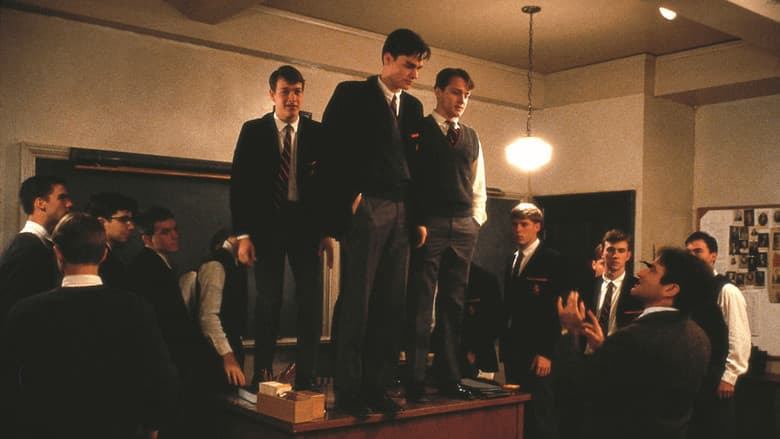
Peter Weir opens on the ceremony that starts the fall semester of 1959 at Welton Academy, an elite boys' school in Vermont. Into its stiff routine walks a new English teacher, John Keating (Robin Williams), who urges his students to seize the day. Robert Sean Leonard and Ethan Hawke play two of the boys who take him at his word.
The autumn calendar starts here, with a film that covers a single school term and turns more serious as the weeks go by. If September still means fresh notebooks to you, begin with this one.
Mona Lisa Smile
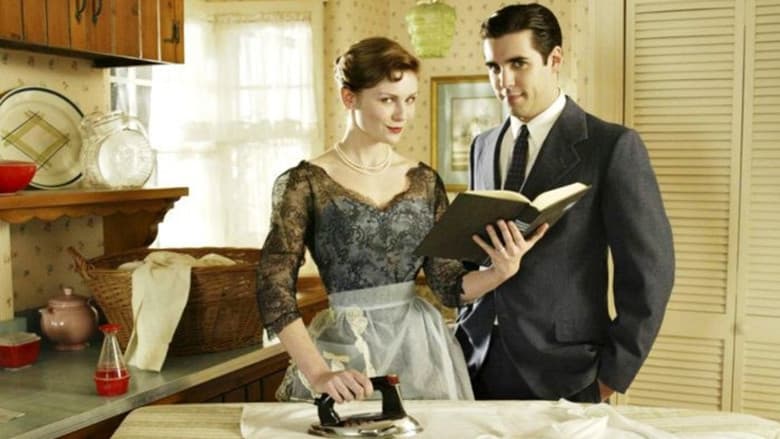
Katherine Watson (Julia Roberts) arrives at Wellesley, a conservative women's college in New England, in 1953 to teach art history. Her students, played by Kirsten Dunst, Julia Stiles and Maggie Gyllenhaal among others, are top achievers, and she wants them to see that the path they walk can be one they choose. Mike Newell directs.
Pair Mona Lisa Smile with Dead Poets Society and you get the same autumn term from a women's college, with another newcomer at the front of the room trying to loosen a rigid institution. It makes a natural second film for a September evening.
October Sky
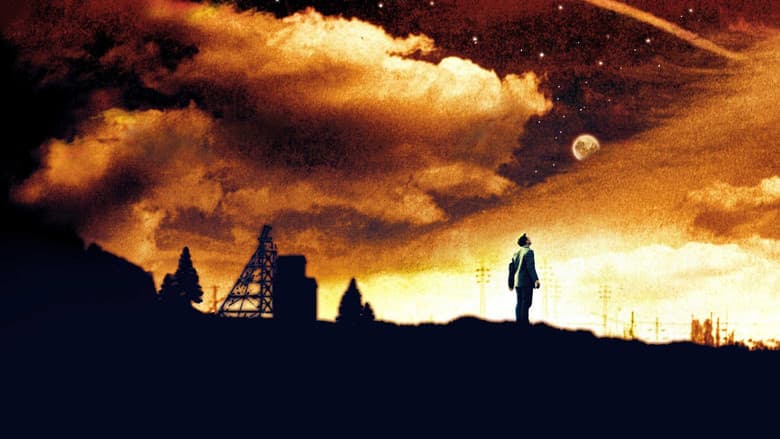
In 1957 West Virginia, a coal miner's son, Homer Hickam (Jake Gyllenhaal), is so taken with Sputnik that he decides to build rockets, against the wishes of his father (Chris Cooper) and with the help of a teacher (Laura Dern) and three friends. Joe Johnston adapts Hickam's memoir Rocket Boys.
Sputnik 1 launched on October 4, 1957, which is where the month in the title comes from. The title hides a second trick: October Sky is an anagram of Rocket Boys. Hickam says Universal's marketing people changed it because their research suggested women over thirty would skip a film called Rocket Boys.
Tired of picking films by other people's ratings?
MyKinoList predicts your own. Start by rating a few films you've already seen.
The Cider House Rules
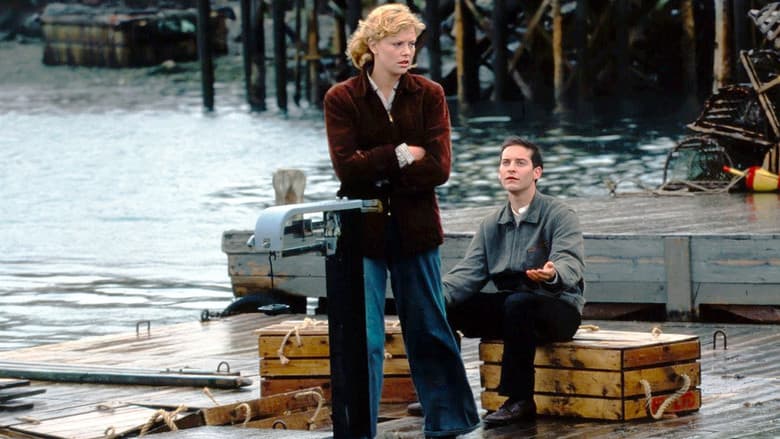
Lasse Hallström adapts John Irving's novel, with Irving writing the screenplay himself. Homer Wells (Tobey Maguire) grows up in a Maine orphanage run by Dr. Larch (Michael Caine), then leaves to work at an apple orchard and learns about love and home the hard way. Charlize Theron co-stars as Candy. The film won two Oscars, one of them for Irving's script.
The orchard sets the clock here, and the picking season is the stretch of time when Homer finally lives in the wider world. Save this film for the weeks when apples are everywhere and the evenings close in early.
Fantastic Mr. Fox

Wes Anderson's first animated feature turns Roald Dahl's 1970 book into stop-motion, with George Clooney and Meryl Streep voicing Mr. and Mrs. Fox. Mr. Fox has sworn off stealing chickens, until three farmers named Boggis, Bunce and Bean prove too tempting to leave alone.
Anderson builds the film out of rust and gold, and the puppets' fur keeps stirring from frame to frame, so even the animals look wind-blown. Fantastic Mr. Fox is the farm-country stop on the calendar, the harvest seen from the fox's side of the fence, and one the whole family can share.
When Harry Met Sally...

Rob Reiner directs Nora Ephron's script about Harry (Billy Crystal) and Sally (Meg Ryan), who meet on a drive from Chicago to New York and spend more than a decade arguing over whether men and women can be friends. The scene at Katz's deli gets quoted the most, but the conversations are what hold it together.
Call it New York autumn in its purest form: costume designer Gloria Gresham dressed Sally in corduroy jackets and neutral turtlenecks and put Harry in a chunky white fisherman sweater, a wardrobe that seems cut for October in Manhattan.
Planes, Trains and Automobiles
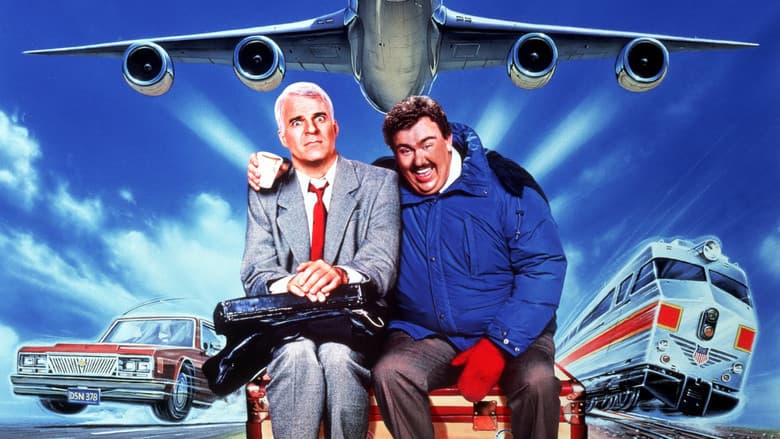
John Hughes sends a buttoned-up businessman, Neal Page (Steve Martin), home to Chicago for Thanksgiving, then cancels his flight and saddles him with Del Griffith (John Candy), a salesman who never stops talking. What follows is every possible way of not getting home on time.
Thanksgiving closes the autumn calendar, that late-November scramble when everyone is trying to make it somewhere for dinner. Under the road-trip slapstick sits a warm film about loneliness, and John Candy gives the season its biggest heart.
Autumn Marathon
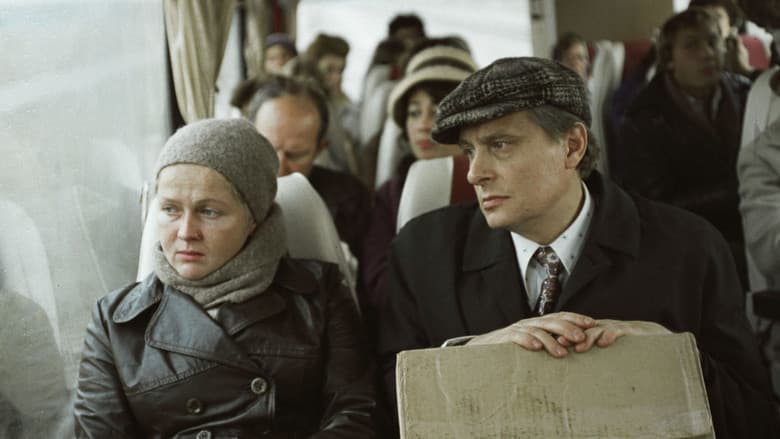
Georgiy Daneliya's comedy centers on Andrei Buzykin (Oleg Basilashvili), a gifted translator and teacher who cannot leave his wife (Natalya Gundareva) for his long-time lover (Marina Neyolova), and cannot refuse a former classmate (Galina Volchek) who freeloads on his talent. Aleksandr Volodin wrote the script, and the film won the Golden Shell at San Sebastián in 1979.
Daneliya called it a male horror film, and the joke has teeth: this is the autumn of middle age, when running between two homes turns into a marathon with no finish line. Volodin, the director said, had lived through the same story himself.
Autumn Sonata
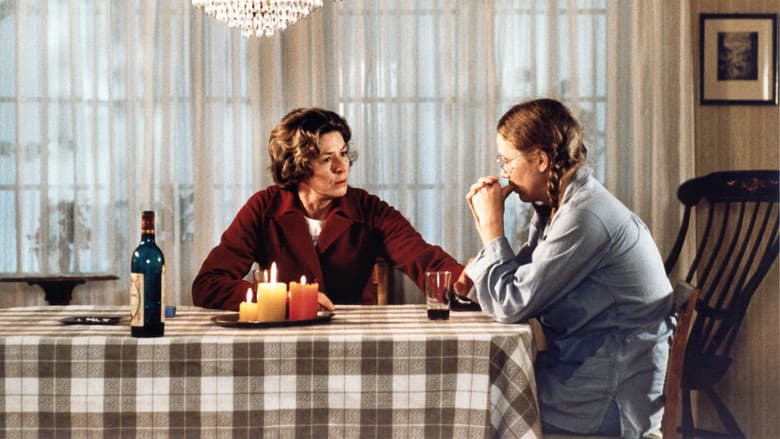
Ingmar Bergman's chamber drama brings a famous concert pianist, Charlotte (Ingrid Bergman), to stay with her daughter Eva (Liv Ullmann), who has not seen her in seven years. A single visit is enough for everything left unsaid in that time to come out.
Bergman shot it in Norway in about fifteen days, and it was his last film made for cinema; for Ingrid Bergman it was the final theatrical film of her career. Here autumn stops being a season and becomes an age, the point when a mother and daughter can no longer put the conversation off.
An Autumn Afternoon

Yasujirō Ozu ended his career with the story of Shuhei Hirayama (Chishū Ryū), a widower who slowly accepts that his 24-year-old daughter Michiko (Shima Iwashita) should not spend her life looking after him, and sets about arranging her marriage. Ozu keeps things light in the bars and offices and saves the ache for the emptying rooms.
The Japanese title, Sanma no aji, comes from a poem Ozu wrote in his diary after his mother's funeral, about the taste of a fish and sake turning bitter. An Autumn Afternoon is the right place to end: a late-autumn film about letting go, made by a director who died the following year.
Tired of picking films by other people's ratings?
MyKinoList predicts your own. Start by rating a few films you've already seen.