Zendaya turns 30 today, and look at the year she’s having: a major role in Nolan’s Odyssey, MJ’s return in the new Spider-Man two weeks later, and a wedding to Tom Holland. Now try to find someone who dislikes her. Seriously, try. Fifteen years in the public eye and she has practically no haters — in an industry where people manage to hate puppies. Let’s figure out how that happened.
The girl from Oakland who read her contracts
Zendaya Maree Stoermer Coleman was born on September 1, 1996, in Oakland, to two teachers. She entered show business through the classic pipeline: Disney Channel, dancing on Shake It Up at 14. What happened next is what separates her from hundreds of Disney kids. As a teenager, when the network offered her a show of her own, she named her terms: she would be a producer, her character wouldn’t burst into song at every opportunity, and the family on the show would be Black and written without stereotypes. Disney agreed to all of it. A teenager negotiating with a studio for control over her own show instead of a bigger paycheck — that’s the character sketch for everything that follows.
The breakout: from MJ to Euphoria
2017 brought Spider-Man: Homecoming and The Greatest Showman almost back to back, and it turned out the Disney girl could do dry sarcasm (her MJ is the sharpest eyebrow in the franchise) and big-tent spectacle. The real turn was Euphoria in 2019. Rue, a teenager fighting addiction, was as far from her previous work as a role can get, and she played it so well that at 24 she became the youngest winner ever of the lead drama actress Emmy. Then she won a second one. A recovering-addict role taken by a former Disney star was an enormous risk, and it’s exactly what turned “the nice actress from the Marvel movies” into an actress people show up for.

How she picks her roles
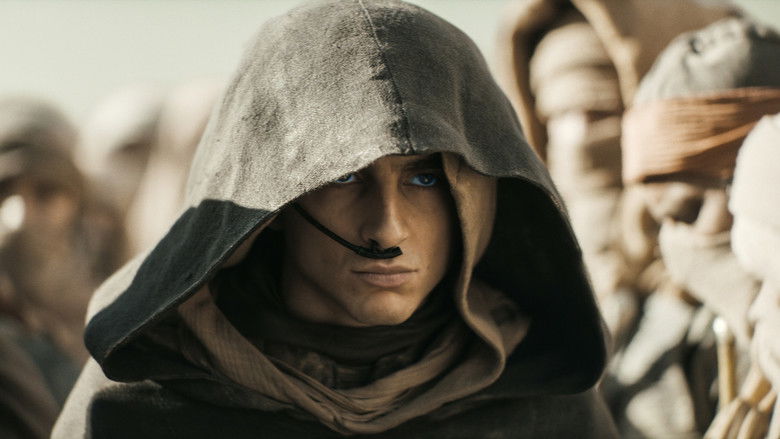
From there, the climb: Chani in Villeneuve’s Dune — nearly wordless in Part One, the emotional center of Part Two. Challengers, where she produced and powered the whole tennis love triangle. The divisive The Drama with Robert Pattinson this spring. And now Athena in one of the year’s biggest movies.
Read that list again: Villeneuve, Guadagnino, Nolan. Someone who simply goes where she’s invited doesn’t end up with that list. This career is managed. Since Disney she has been selective: she takes few roles, chooses slowly, and almost always lands in the movie everyone ends up talking about. The same discipline shows in the details — producer credits since her teens, a stylist (Law Roach) who calls himself an “image architect” rather than a stylist, red-carpet appearances planned like campaigns. She understood earlier than most of her peers that in this industry you’re either run by your own team or by someone else’s.
The reputation: a star without the stardom
Now for what people love beyond the roles. In fifteen years of fame, Zendaya has stayed almost entirely out of scandal: no drunken meltdowns, no social-media wars, no lawsuits, no crew horror stories on record. And the second half of that record matters more than the first: she doesn’t trash anyone either. In a decade of interviews she has rarely taken a public jab at a co-star, an ex, or a studio. In an industry where the grievance interview is a standard way to stay relevant, that’s a policy, and holding it for fifteen years is much harder than it looks.
She isn’t boring, either. Her red carpets are their own art form: Law Roach turned her appearances into a running show that gets covered like the movies do, and the CFDA made her the youngest Fashion Icon in the award’s history. Her interviews get clipped into memes; her self-deprecation could carry a stand-up set. No drama, plenty to watch — a rare combination.
It girls, then and now
Remember what “the girl of the generation” used to look like. Britney Spears, Lindsay Lohan, Amanda Bynes — child stars of the 2000s whom the tabloid machine crowned and then spent years devouring: paparazzi camped outside clinics, breakdowns sold covers, and the public bought them. Drama was the currency of fame, and the system was happy to convert girls into drama. Zendaya is the first generational icon loved for the opposite. No drugs, no spirals, no relationships burning down in public — and it turns out that’s exactly what audiences of the 2020s wanted: people root for her instead of waiting for her to fall. That shift is genuinely historic. The mass appetite for watching someone self-destruct has faded, and Zendaya’s career is the clearest proof.
Holland’s story runs the same arc, only by way of a crisis. Tom had a real drinking problem — he has said himself that during Dry January all he could think about was having a drink and that it scared him. What followed: sobriety since 2022, talking about it openly instead of burying it, and in 2024 his own non-alcoholic beer brand, Bero. It never got as far as brawls or tabloids: he noticed the problem and walked out of it before it became a headline. A couple where she never grew her demons and he beat his may be the healthiest famous couple Hollywood has ever produced.
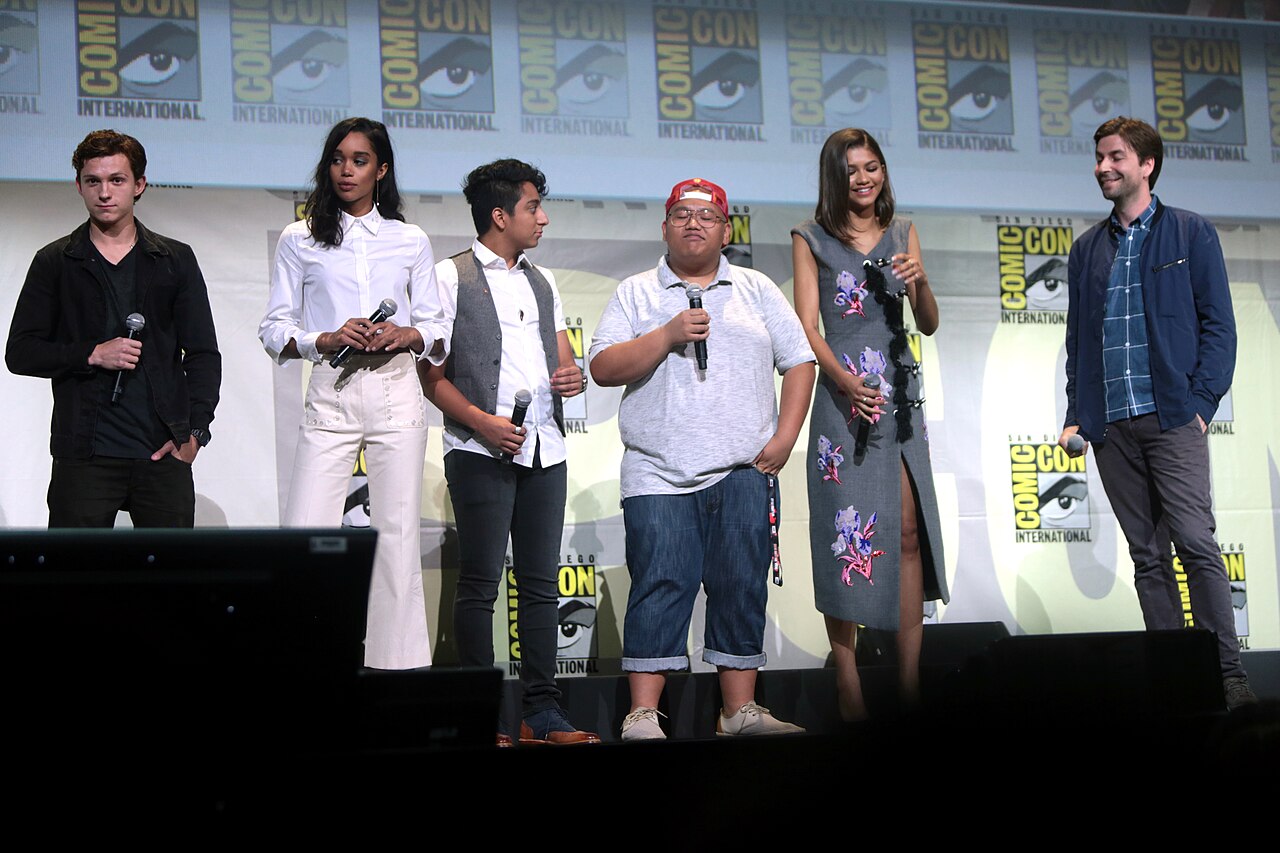
And the relationship runs on the same discipline as everything else: they confirmed nothing for as long as they could, got engaged without an announcement, and married just as quietly. In an era when celebrities monetize their divorces, that privacy reads as almost radical.
So why does everyone love her
Because her story contradicts everything we know about child stars. We’re trained for the arc of Disney, fame, breakdown, comeback tour — and instead here’s a kid from a children’s network who read contracts at 16, collected Emmys at 24, became the highest-grossing actress of 2026 by 30, and stayed someone nobody has a bad story about. People love talent. People love it even more when it doesn’t come with a reminder that “I’m a star.” Zendaya is the best evidence Hollywood has that you can reach the very top and stay intact. So raise something non-alcoholic to her today: she’s only 30, and judging by the filter she runs her scripts through, the best of it is still ahead.
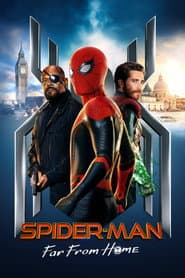
Her key roles — each with a rating prediction tuned to your taste:







Tired of picking films by other people's ratings?
MyKinoList predicts your own. Start by rating a few films you've already seen.