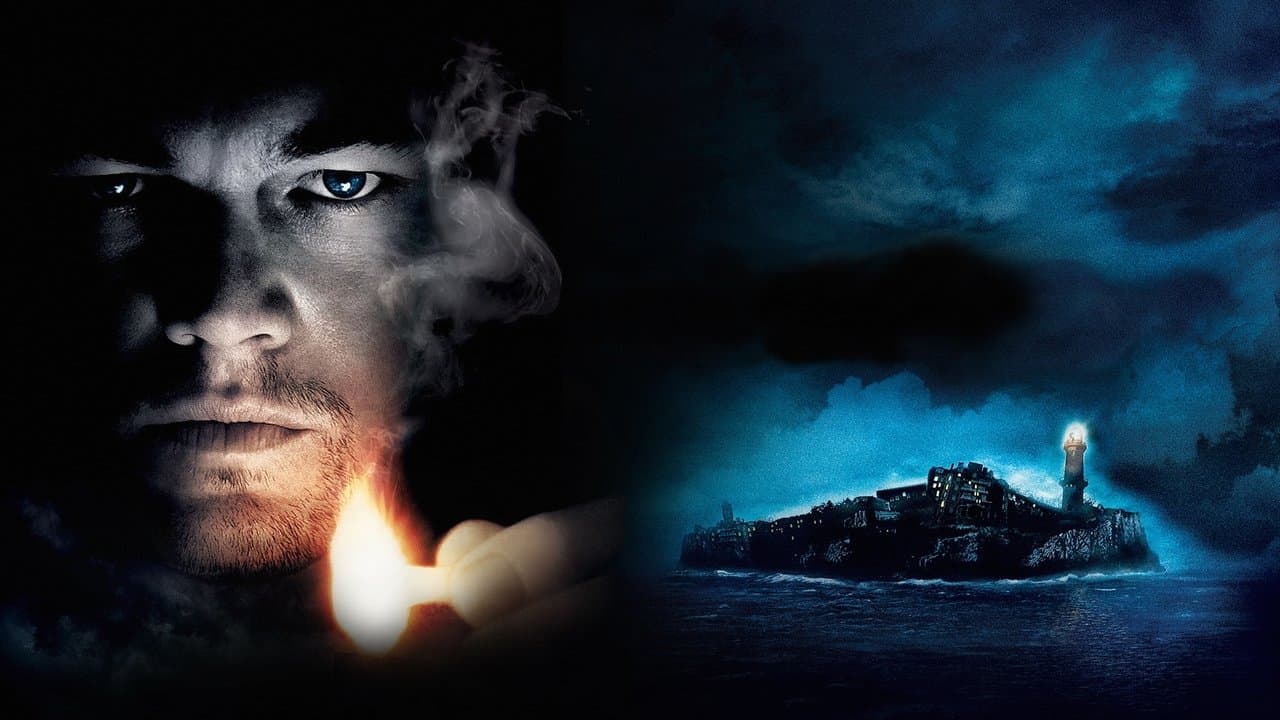
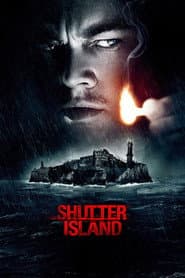
Shutter Island drops U.S. Marshal Teddy Daniels onto a fortress asylum in the middle of a 1954 storm, sent to find a patient who has vanished from a locked cell. From the first ferry the ground feels wrong: the doctors are too smooth, his migraines summon memories of the war and a dead wife, and the more he investigates the more it seems the whole island is arranged around him. Martin Scorsese shoots it as pure gothic dread — is Teddy the one sane man in a place full of liars, or a patient being humoured?
The films below produce that specific vertigo: a mind that can no longer trust what it sees, an institution or authority that may be lying, and trauma bleeding into the present until the floor gives way. Some are paranoid forerunners, some are asylum-set cousins, and all of them leave you, like Teddy, unable to say for certain what was real.
Jacob's Ladder
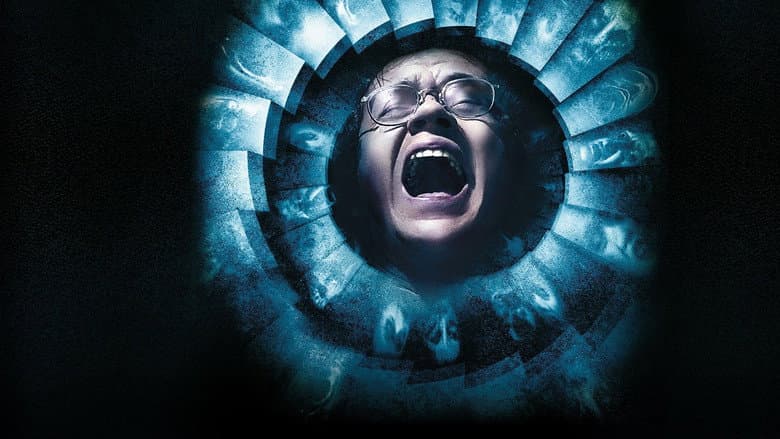
Adrian Lyne follows a Vietnam veteran (Tim Robbins) back into a New York that keeps glitching — faceless figures on the subway, hospitals that feel like hell, the growing certainty that something in his war is not finished with him. It is a nightmare told from the inside, where grief and chemistry and memory all bleed together.
This is the clearest ancestor of Shutter Island's method: a traumatized man chasing a truth his own mind may be hiding from him, unsure whether the horrors around him are conspiracy or symptom. You doubt every frame in both, and both hurt because underneath the fear sits loss.
Angel Heart
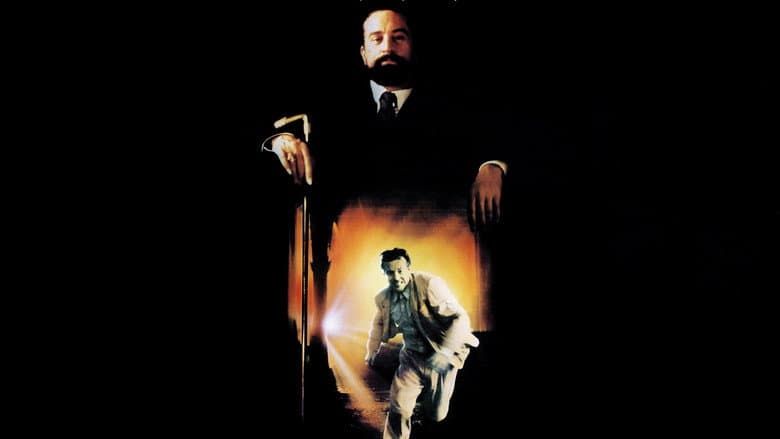
Alan Parker sends a shabby 1950s private eye (Mickey Rourke) from New York down to a sweltering New Orleans to find a missing crooner, and the case slowly curdles into something occult and personal. It is detective noir soaked in dread, where every clue drags the investigator closer to a door he does not want to open.
Like Shutter Island, it hands a hard-boiled man a straightforward job and then dissolves the ground beneath him, until the mystery he is solving turns out to be the mystery of who he is. Same swampy atmosphere of guilt, same sick feeling that the search was rigged from the start.
Session 9
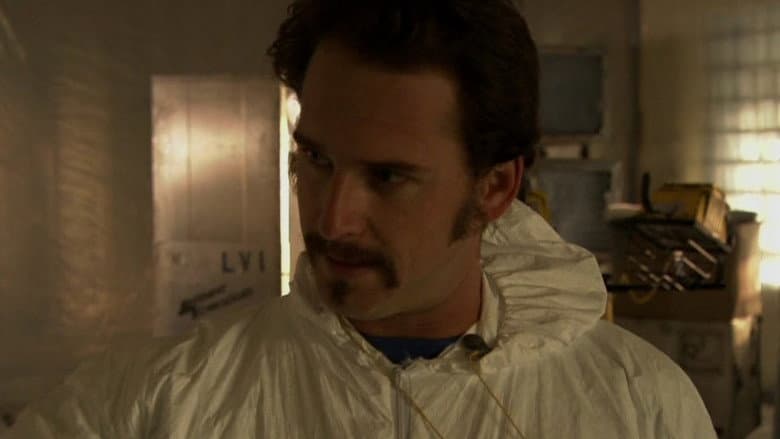
Brad Anderson turns an abandoned asylum into the whole film: a cleanup crew takes a job stripping asbestos from a vast derelict hospital, and the building's history — patient tapes, empty wards — starts working on the men inside it. Very little happens loudly; the dread just accumulates in the corridors.
It shares Shutter Island's most physical idea: that a place built to hold the mad can start to unmake the people who walk into it. The institution itself is the antagonist in each, and Anderson knows, as Scorsese does, that an empty ward at the far end of a hall is scarier than any monster.
Tired of picking films by other people's ratings?
MyKinoList predicts your own. Start by rating a few films you've already seen.
Gothika
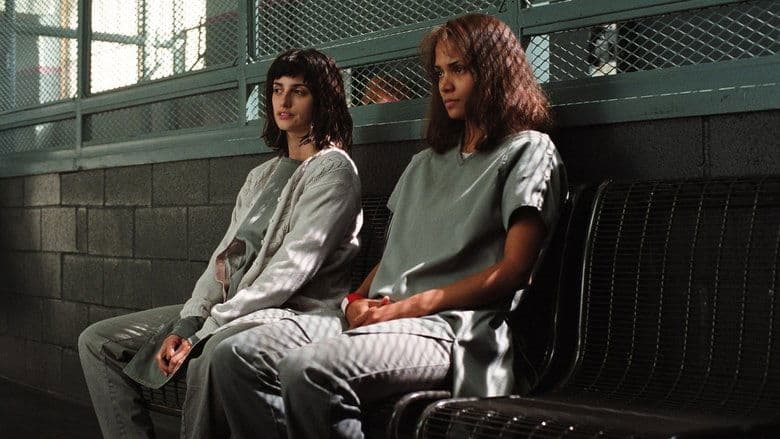
A prison psychiatrist (Halle Berry) treats women in a bleak institution — until she wakes up on the other side of the glass, a patient herself, accused of something she has no memory of doing and unable to make anyone believe her. Everything she trusted about her own reliability turns against her overnight.
That flip is the engine Shutter Island runs on too: the investigator who becomes the investigated, the expert who suddenly cannot prove she is sane. Both trap a competent professional inside the very system they used to run, where the more you protest, the more it confirms the diagnosis.
The Jacket
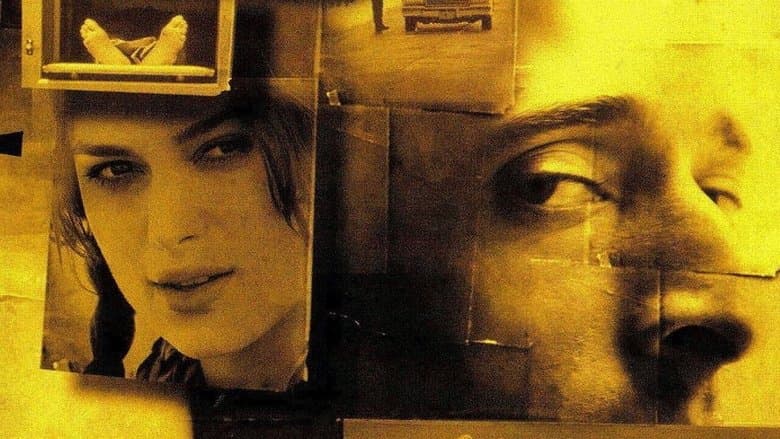
A Gulf War veteran (Adrien Brody) with holes in his memory lands in a mental institution, where a doctor's punitive "treatment" — drugged, strapped into a jacket, slid into a morgue drawer — starts flinging his mind loose in time. Locked in the dark, he comes unstuck, unsure which stretch of his life is happening now.
It rhymes with Shutter Island's core wound: a soldier, an institution with its own agenda, and a man who cannot tell memory from delusion from something stranger. In both, grief hangs over everything and the hospital is less a place of healing than a machine for taking a mind apart.
The Machinist
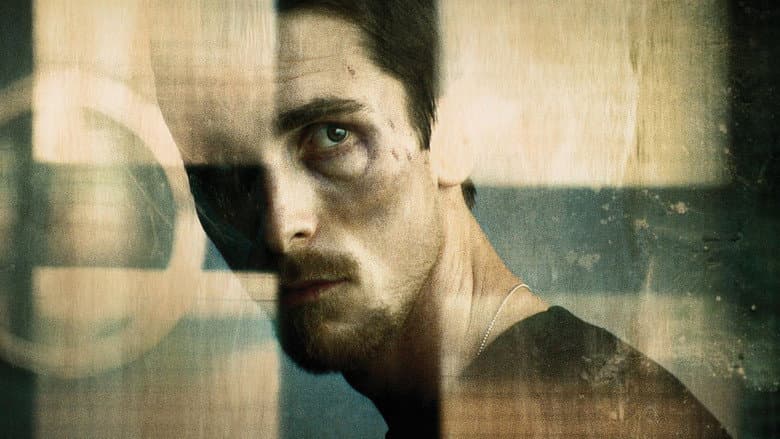
Christian Bale wastes himself down to a skeleton to play a factory worker who has not slept in a year, haunted by a co-worker nobody else seems to see and by notes he does not remember writing. His grey, exact world keeps quietly rearranging itself around a thing he will not let himself remember.
Like Teddy Daniels, he is a man being slowly cornered by his own guilt, chasing a mystery whose real subject is the part of himself he has buried. Each treats a haunted conscience as a proper thriller plot and makes you feel the exhaustion of a mind fighting the truth.
Identity
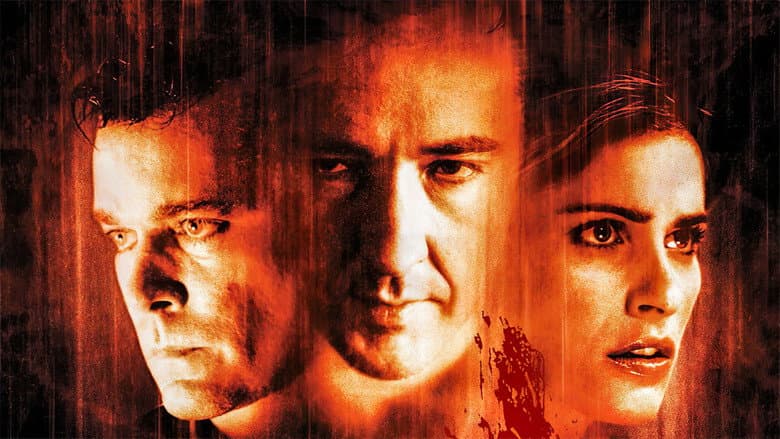
Ten strangers are stranded at a remote motel in a downpour, and one by one they start to die — a slasher setup that quietly turns into a puzzle about who these people really are and why they have been gathered in one place. James Mangold keeps the storm howling while the logic underneath keeps rearranging.
It shares Shutter Island's love of a closed, rain-lashed location and a rug it is preparing to pull, plus the same question humming under the surface: what if the whole scenario is a construction, and the person at its centre is not who we think? A tighter, pulpier cousin, built around one hard turn.
A Cure for Wellness
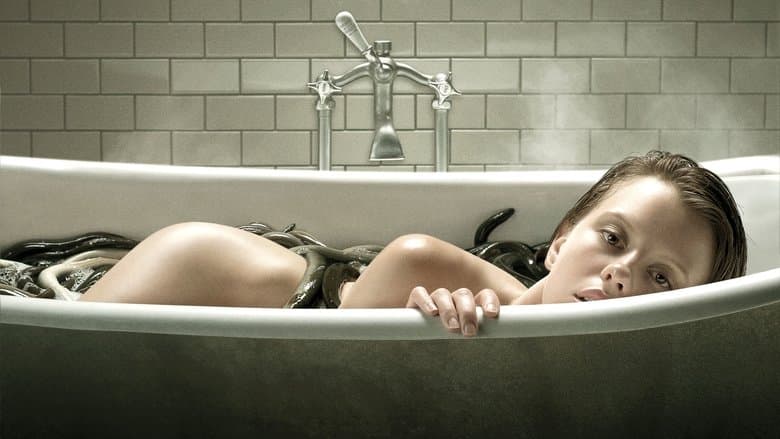
Gore Verbinski sends a young executive to a serene "wellness" institute in the Swiss Alps to retrieve his boss, and the spa's gleaming calm slowly reveals teeth: treatments that never end, patients who never leave, and a history soaking up through the beautiful tiles. The longer he stays, the less sure he is that he is a visitor.
It is Shutter Island scaled up into lavish nightmare: an outsider walking into a total institution that answers his questions with smiles, until he cannot tell whether he is exposing a conspiracy or being absorbed into one. Same trap, same dawning horror that the door out may have closed the moment he arrived.
Black Swan

Darren Aronofsky follows a fragile ballerina (Natalie Portman) as the pressure to be perfect in Swan Lake starts cracking her open — rashes she picks at, a rival who may not be real, a body and a mind she can no longer fully trust. The film sits so close to her that we lose the line between performance and breakdown right along with her.
Where Shutter Island externalises its unreliable reality onto an island, Black Swan pushes it all inward, but the sensation is identical: a person whose perceptions have quietly stopped being evidence. Both are studies of a mind coming apart, shot as a thriller so you feel the vertigo instead of just watching it.
Take Shelter
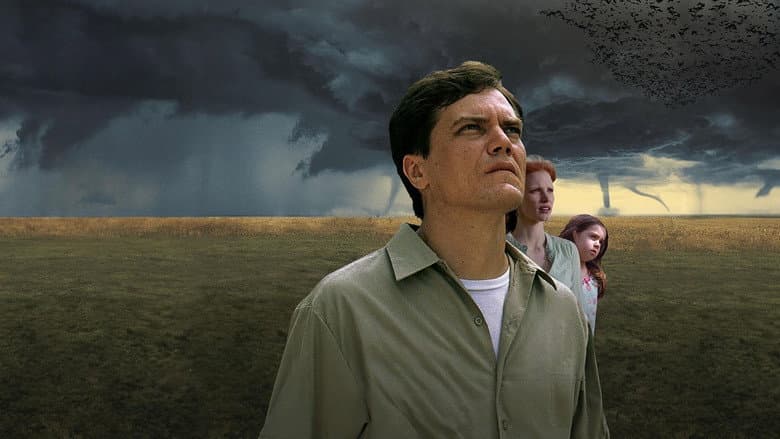
Michael Shannon plays an Ohio family man tormented by apocalyptic visions — storms the colour of motor oil, birds falling from the sky — who starts secretly building a shelter, unable to tell whether he is a prophet or a man sliding into the same illness that took his mother. Everything he does to protect his family reads, from the outside, like a breakdown.
It works Shutter Island's central doubt in a quieter, domestic key: is the threat real, or is it coming from inside the one person we are trusting to see clearly? Neither lets you settle on a diagnosis, and that uncertainty is scarier than any wrong answer.
Tired of picking films by other people's ratings?
MyKinoList predicts your own. Start by rating a few films you've already seen.