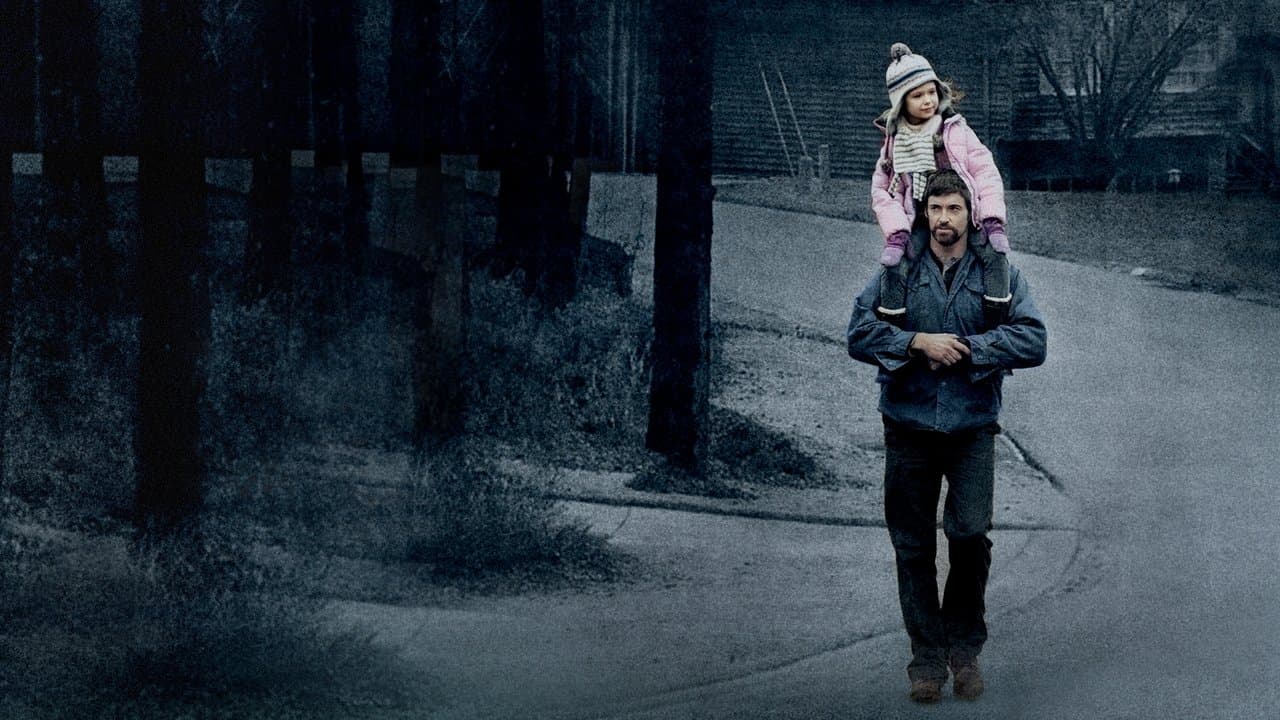
On a rainy Thanksgiving in Pennsylvania, two little girls vanish. One father (Hugh Jackman) takes the law into his own hands when the prime suspect walks free; a meticulous detective (Jake Gyllenhaal) works the case the slow, proper way. Denis Villeneuve and Roger Deakins drown it all in grey rain, sit inside a parent's worst nightmare, and ask how far a good man will go — and whether the search is quietly destroying him. The thriller plot is really a moral test.
The films below carry that same darkness: abductions and unsolved deaths, obsessive investigators, parents and cops pushed past their limits, and a bleak, procedural patience that never hands you an easy comfort. Some are hunts for a killer, some are studies of grief and guilt, and all of them understand that the real horror is what the search does to the searcher.
Mystic River
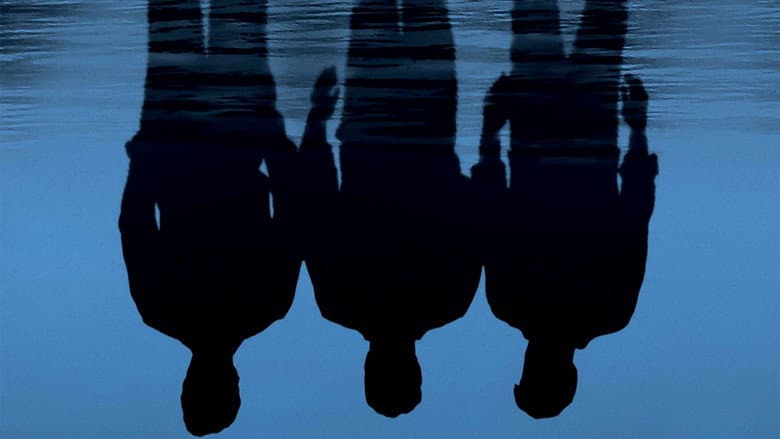
Clint Eastwood reunites three boyhood friends in working-class Boston through a murder that reopens an old childhood trauma none of the three survived cleanly, and watches a father's grief curdle into something terrible.
Like Prisoners, it watches an old wound and a fresh crime detonate a man inside a moral murk in which the search for justice becomes its own kind of violence. A rainy, heavy film, far more about damage than mystery.
Zodiac
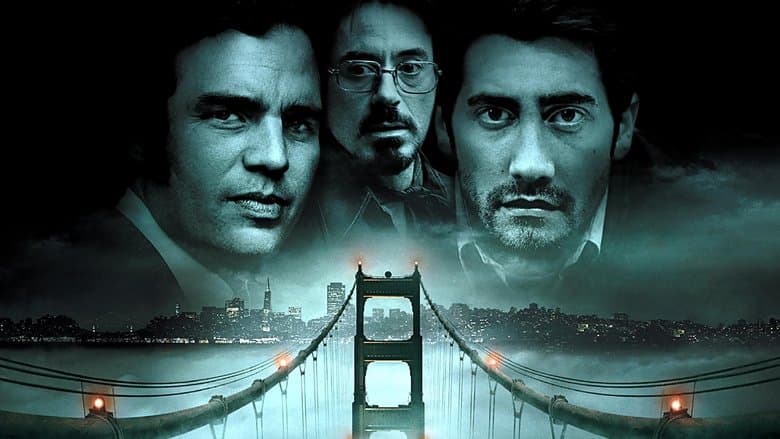
David Fincher tells the decades-long, obsessive hunt for a San Francisco serial killer through the cops and the cartoonist who cannot let it go, even as the case eats their lives and stays unsolved. Its true subject is obsession itself.
Prisoners runs on the same fuel: an investigation that hardens into a fixation, a procedural so patient it feels like real time, and the dread of a truth that may never fully arrive. Both are about the cost of needing to know.
Gone Baby Gone
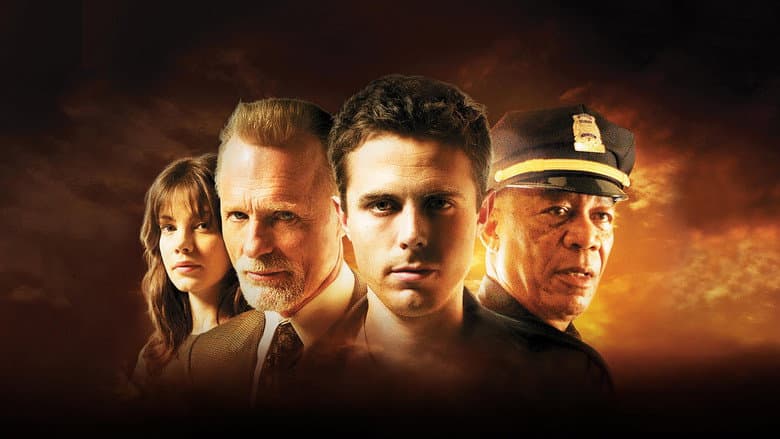
Ben Affleck, adapting Dennis Lehane, sends two young Boston PIs into the disappearance of a little girl — a case that keeps forcing an impossible moral choice about what "rescue" even means.
It is the closest cousin here: a child abduction that opens onto an ethical abyss, where doing the right thing and doing the good thing may not be the same act. Same grey city, same question that refuses a clean answer.
Tired of picking films by other people's ratings?
MyKinoList predicts your own. Start by rating a few films you've already seen.
Se7en
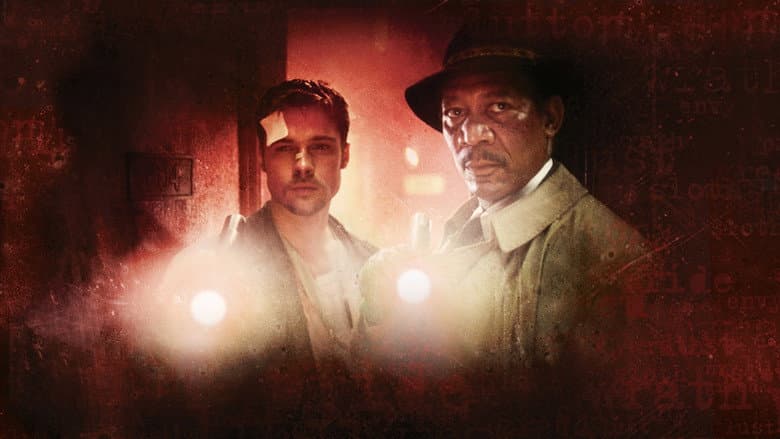
Fincher tracks two detectives through a nameless, rain-rotted city after a killer staging murders around the seven deadly sins, building methodically toward a dread you feel in your stomach.
Prisoners borrows its lightless, rain-soaked world and procedural patience, plus the sense that staring into this much darkness marks the people who do it. This is the template for the modern despair-thriller Villeneuve is working inside.
Memories of Murder
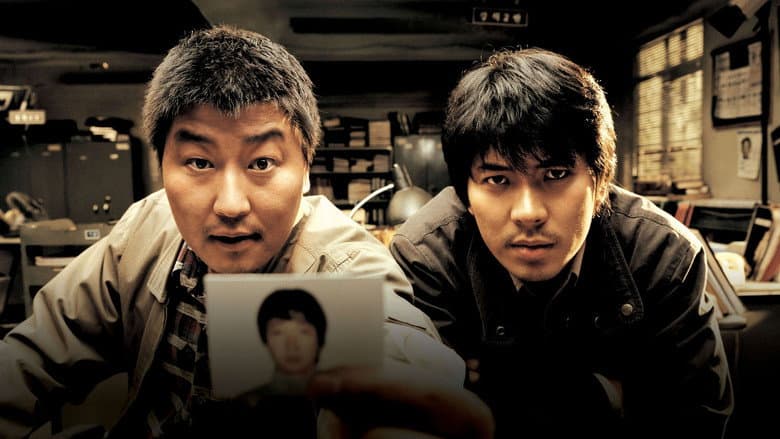
Bong Joon-ho follows rural Korean detectives who bungle and brutalise their way through a real serial-killer case in the 1980s that went unsolved for decades, their obsession curdling into helplessness as the bodies mount. Funny, then shattering.
It rhymes with Prisoners on every level: an investigation that consumes its investigators, a system far out of its depth, and the specific horror of a crime that resists solving. Perhaps the best film on this list.
The Silence of the Lambs
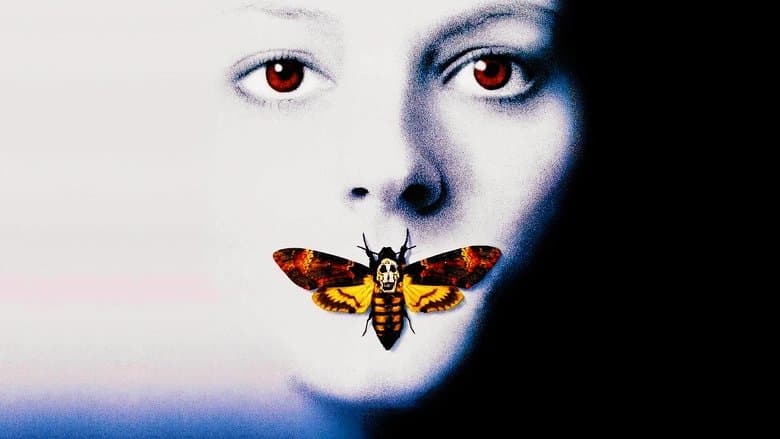
Jonathan Demme sends a young FBI trainee (Jodie Foster) after an active abductor by bargaining with an imprisoned monster, in what is really a duel of minds. The film stays clinical and calm, which is exactly why it gets under your skin.
Here too an abduction becomes a race against time, with the same clinical dread, plus a hero being slowly changed by her proximity to evil. The high-water mark for the smart, grim serial-killer thriller everything here descends from.
Changeling
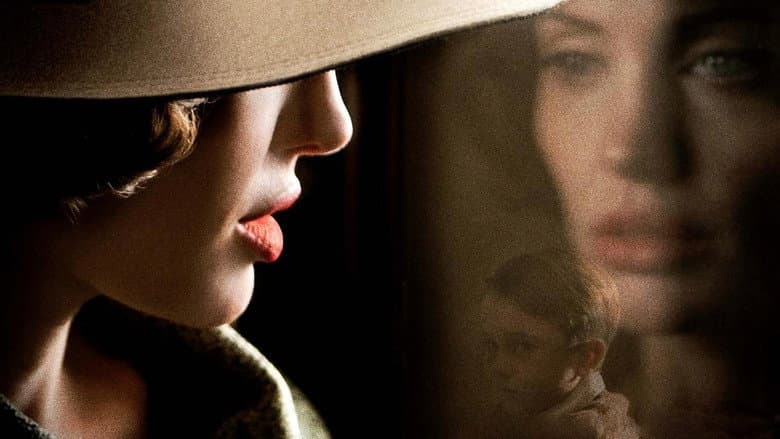
Eastwood again: in 1928 Los Angeles a mother's son goes missing, and when the police return a boy who is not hers and insist that he is, the nightmare becomes about a system gaslighting a grieving parent. Based on a real case.
It shares Prisoners' rawest nerve — a parent's agony over a missing child and an institution that fails them at every turn. Where Prisoners asks how far a father will go, this asks how far a mother must go simply to be believed.
The Girl with the Dragon Tattoo

Fincher once more: a disgraced journalist and a damaged hacker reopen a decades-old disappearance inside a wealthy family, following the paper trail into genuine darkness. Icy and meticulous, with a properly Nordic gloom.
The cold-weather bleakness is pure Prisoners, and so is the faith in patient, procedural digging, plus a duo mismatched in temperament chasing a long-buried crime.
The Little Things
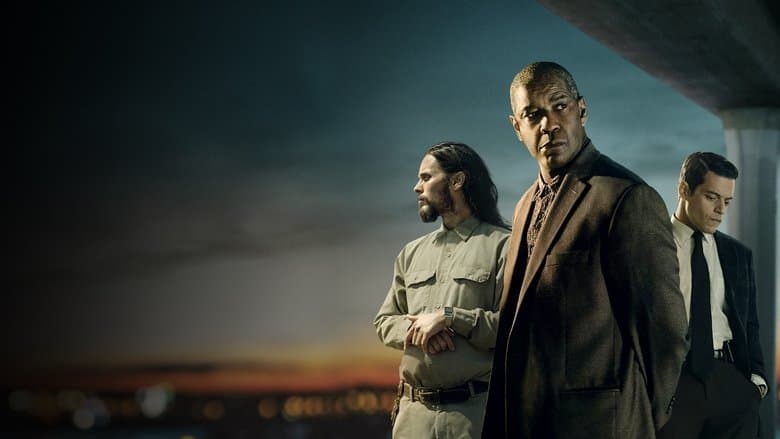
John Lee Hancock sets a haunted deputy and an ambitious detective chasing a possible serial killer through 1990s Los Angeles — but the film cares less about catching him than about what the chase does to the men doing it. Ambiguous and grim.
It shares Prisoners' true subject: obsession and moral erosion over the mechanics of the case, and a willingness to end in the grey rather than the clear. No clean resolution waits at the end.
Insomnia
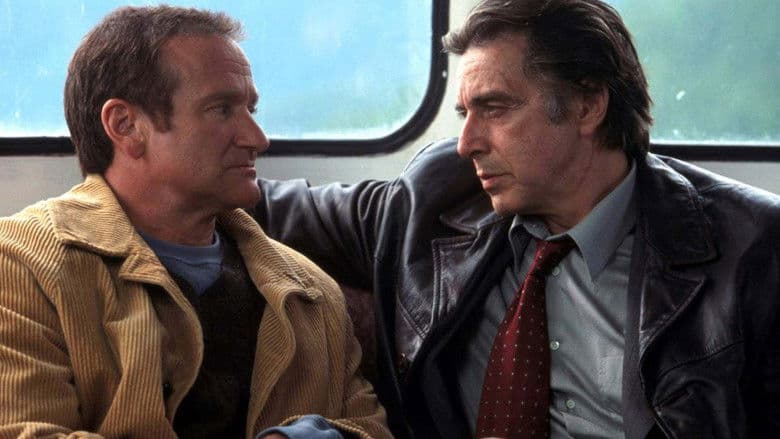
Christopher Nolan drops a veteran detective (Al Pacino) into a sleepless Alaskan town to investigate a murder, his own guilt corroding him as quickly as the case advances. The fog and the exhaustion do half the acting.
Here, too, an investigator unravels from the inside, where the line between hunter and culprit softens and the moral ground keeps giving way. A cold, guilty procedural about a good man's slow contamination.
Tired of picking films by other people's ratings?
MyKinoList predicts your own. Start by rating a few films you've already seen.