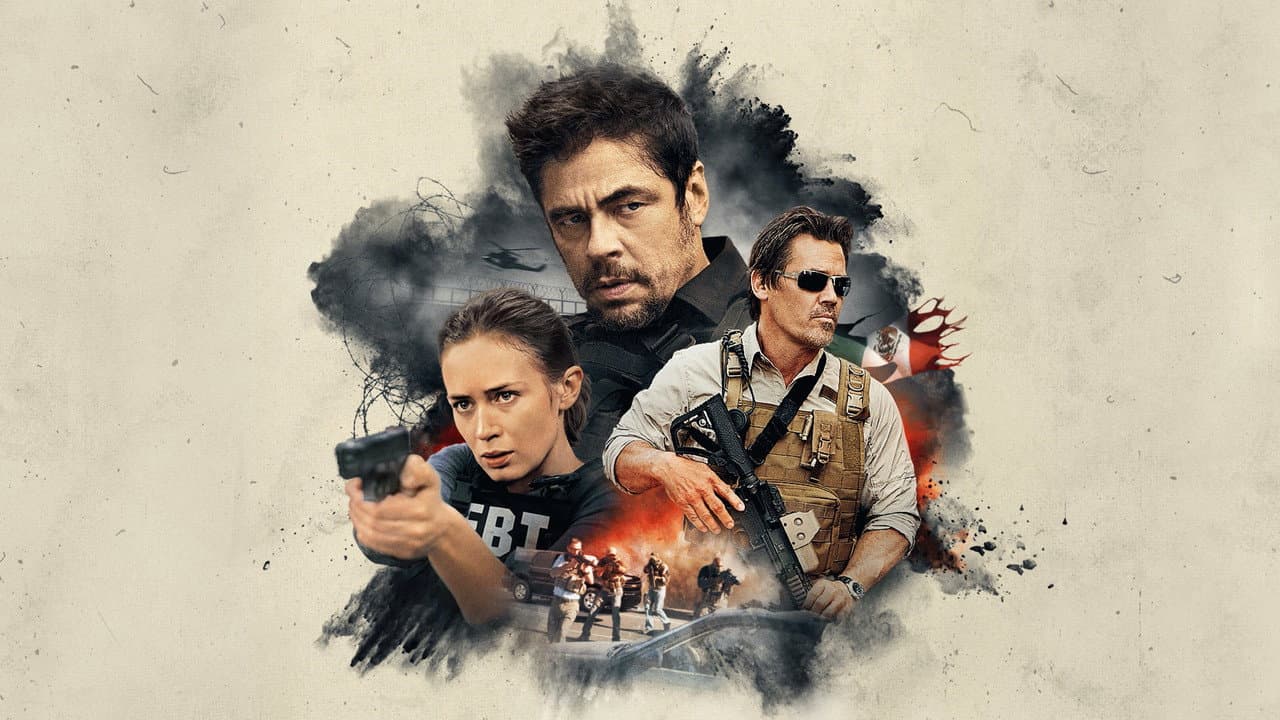
Sicario pulls an idealistic FBI agent (Emily Blunt) into a shadowy inter-agency task force working the US–Mexico border against a cartel, run by opaque men who will not tell her the mission or the rules. Denis Villeneuve and cinematographer Roger Deakins shoot the desert as a beautiful void; the violence arrives suddenly and procedurally; and the real horror is that she is a small clean thing inside a vast dirty machine that has already decided the outcome. She keeps asking what the rules are. The film's answer is that there are none.
The films below share that specific dread: crime as a system too big to fight, procedural coldness, a moral fog where "the good guys" are just another department, and violence that lands like weather. Some are cartel-and-border stories, some are wider studies of the war machine or organised crime, and all of them leave you feeling that the individual is grist.

Traffic
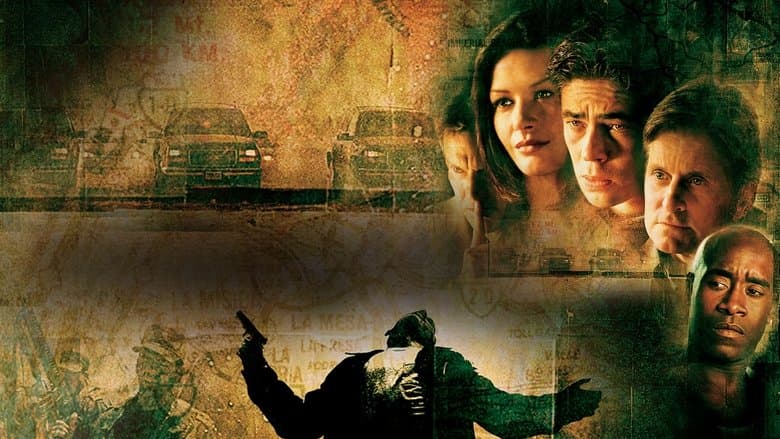
Steven Soderbergh braids the drug war through a dozen lives — a judge appointed drug czar whose own daughter is using, DEA agents, a cartel wife, cops on both sides of the border — in colour-coded strands that never quite meet. It refuses a hero and refuses a win.
It is the ancestor of Sicario's whole worldview: the drug war as a self-sustaining machine that grinds everyone, where each crackdown just moves the problem down the line. Both are less interested in winning the battle than in the people caught in its gears.
No Country for Old Men
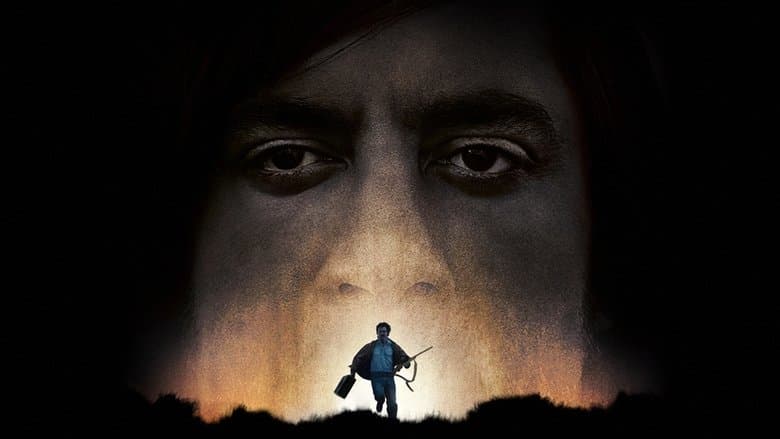
The Coens drop a satchel of cartel money, an unstoppable killer and a bewildered old sheriff into the Texas borderlands, where the violence has simply outrun everyone's ability to understand it. Spare and patient, with no hope on offer.
It shares Sicario's sense of a Southwest where evil is systemic and the law is always a step behind — and Alejandro (Benicio del Toro) is a close cousin of Anton Chigurh, a quiet man who has stopped being a person and become a force. Both look at the border and see an ancient, indifferent violence.
Hell or High Water
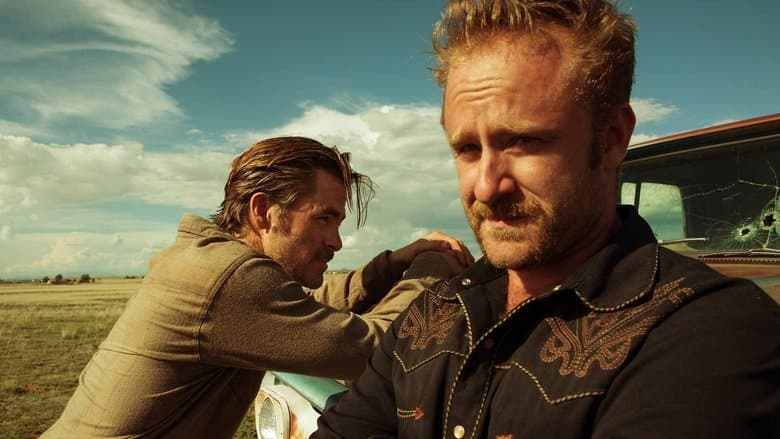
Taylor Sheridan — who wrote Sicario — sends two brothers robbing banks across a dying West Texas to save the family land, with a pair of Rangers on their trail. Every character is sympathetic; the system is the real villain.
It carries the same Sheridan fingerprint: the modern American frontier as a place where institutions quietly crush ordinary people, procedural on the surface and mournful underneath. A gentler cousin of Sicario, but the same ache runs through it.
Tired of picking films by other people's ratings?
MyKinoList predicts your own. Start by rating a few films you've already seen.
Wind River

Sheridan again, now directing: a tracker and a young FBI agent investigate a death on a snowbound Wyoming reservation the law has mostly forgotten. The crime at the centre grows out of neglect, and grief hangs over all of it.
It completes Sheridan's frontier triptych alongside Sicario: an outsider stepping into a broken system, procedural bones wrapped around a howl of loss, and violence that lands hard precisely because it is rare and real. Same cold eye, turned to the snow.
Zero Dark Thirty
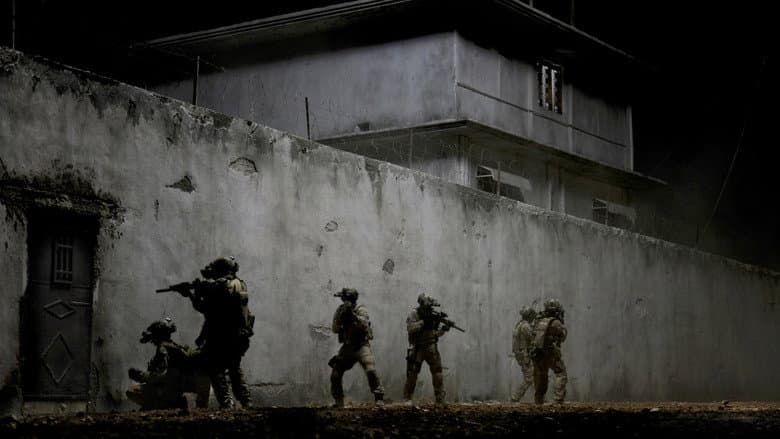
Kathryn Bigelow tells the decade-long CIA hunt for bin Laden as bleak procedure — interrogations, dead ends, a woman (Jessica Chastain) hollowed out by the chase — and never once tells you how to feel about any of it.
Bigelow looks at the machinery of the war on terror as coldly as Villeneuve looks at the cartel war, and her centre is the same figure: a driven professional who gets everything she was after and is emptied by the getting. Process as horror, ambiguity as honesty.
The Counselor

Ridley Scott films Cormac McCarthy's first original screenplay: a lawyer dips one toe into a single cartel deal and discovers the machine does not forgive, in dialogue that keeps stopping to stare into the abyss. Doomy and strange, and largely unloved on release.
It is Sicario's dread distilled: the border underworld as an implacable force, the naive outsider who thinks he can touch it and walk away, and the slow, sick understanding that the decision was made long before he arrived.
End of Watch
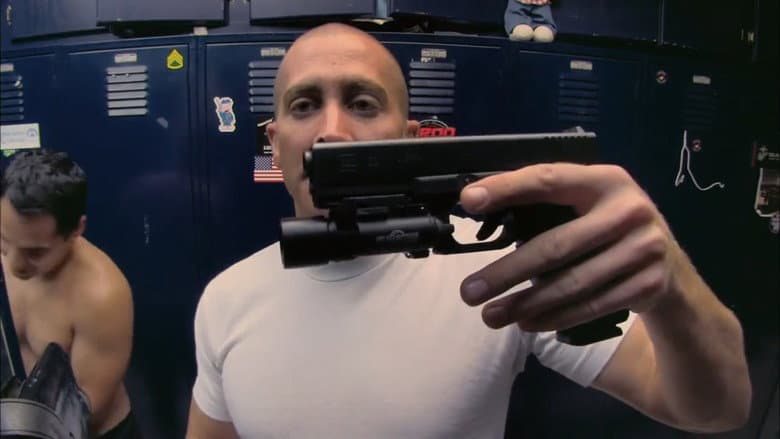
David Ayer rides along with two LA patrol cops (Jake Gyllenhaal, Michael Peña), all banter and bodycam, as a routine string of stops keeps pulling a thread that leads somewhere far above their pay grade. Intimate, then terrifying.
Here is the same ground-level view of the drug war reaching up from the street, and the same lurch when small players accidentally brush against a cartel's true reach. Warmer and more human than Sicario — right up until it isn't.
Heli

Amat Escalante's austere Mexican drama watches an ordinary family destroyed after a teenage romance brushes against stolen drugs, in long, plain takes that refuse to look away. A rare find and a hard sit.
It shows the cost Sicario mostly keeps at arm's length — the civilians the machine chews up as a matter of routine. The same idea — for the cartel, violence is routine, not an event — and the same flat refusal to soften any of it.
Miss Bala

Gerardo Naranjo follows a young woman chasing a beauty pageant in Tijuana as a cartel swallows her whole, using her one errand at a time until there is no way back out. Kinetic and suffocating.
It is Sicario seen from the position of the powerless: not the agent with a gun but the civilian handed an impossible situation and told to comply. Same machine, same indifference — experienced from inside its grip rather than above it.
Gomorrah
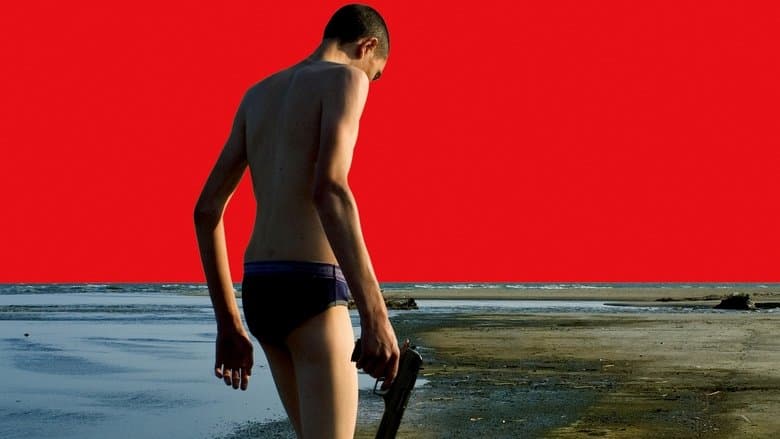
Matteo Garrone braids five strands of the Neapolitan Camorra — a timid tailor, a delivery boy, two knucklehead kids playing gangster — into a portrait of organised crime as an economy that quietly owns everyone in the frame. No bosses to root for, no exit.
The kinship is direct. Garrone sees crime the way Sicario does, as a total system, indifferent and self-perpetuating, in which the individual is simply labour to be spent. A different country and a different mob, but the machine works exactly the same way.
Tired of picking films by other people's ratings?
MyKinoList predicts your own. Start by rating a few films you've already seen.