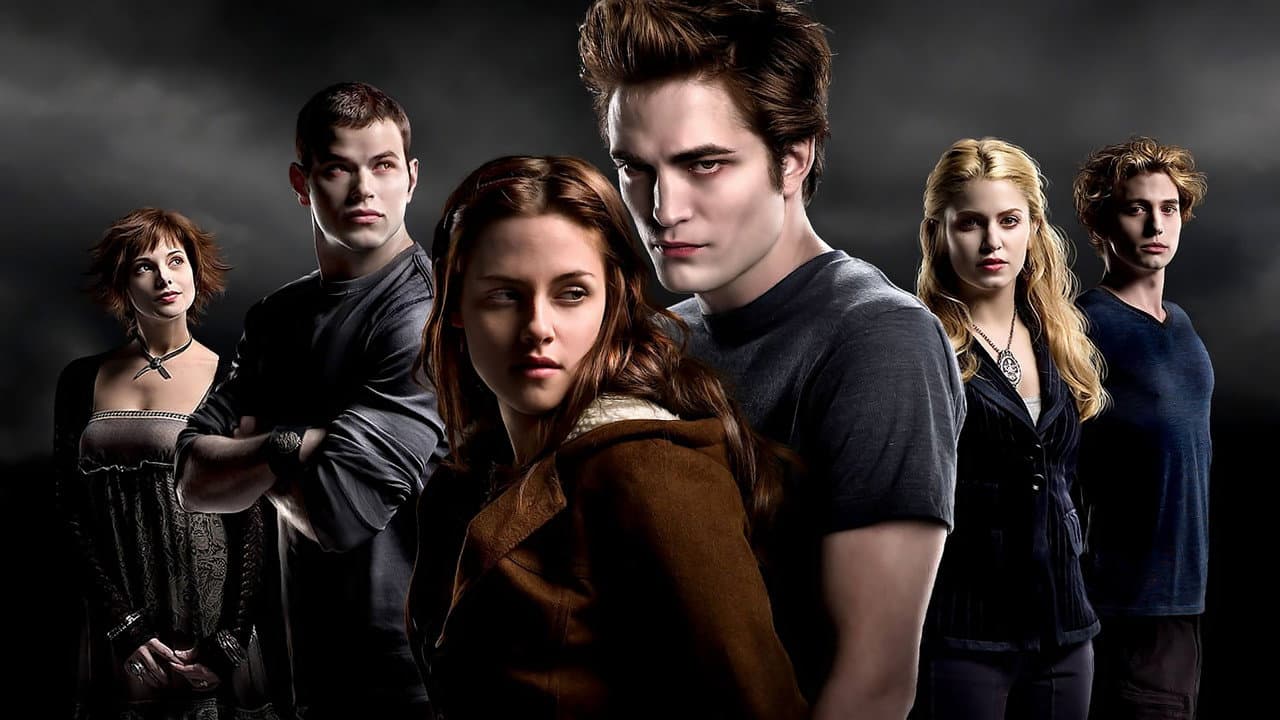
Twilight is having a remarkable autumn for an eighteen-year-old movie. The whole saga landed on Netflix in the US on October 1, and by mid-October the first film was sitting in the weekly Top 10, while in Russia a September re-release out-earned every new premiere and topped the monthly box office. Not bad for a project that, by Catherine Hardwicke's account, every studio in Los Angeles had passed on before Summit Entertainment picked it up. Hardwicke shot Stephenie Meyer's novel for $37 million with Kristen Stewart as Bella and Robert Pattinson as Edward. She dressed the Cullens in what she calls arctic wolf colors, cool silvers and blues, and banned yellow, orange and red from every human in the film. Watch Bella's wardrobe drift from earth tones toward that blue by the end. The film opened to $69.6 million, and pop culture has been arguing about it ever since.
The list keeps what makes Twilight tick: a girl drawn to someone who should be dangerous to her, and a romance that comes with a curse or a body count. The first few are close relatives from the same YA boom, including Hardwicke's own werewolf follow-up. After that the vampire love story gets stranger and travels as far as a snowy Swedish town and an Iranian ghost town, before closing on the opulent Dracula that made the immortal lover a full romantic lead.
Red Riding Hood
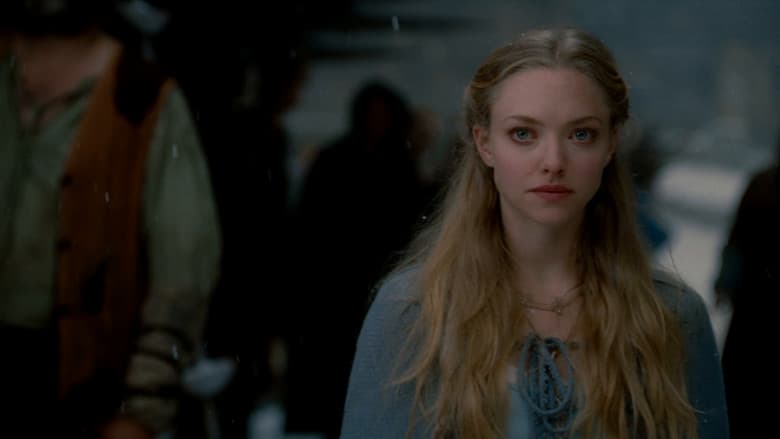
Two years after Twilight, Catherine Hardwicke went straight back into the woods. Amanda Seyfried plays Valerie, a village girl torn between brooding Peter (Shiloh Fernandez) and Henry (Max Irons), the wealthy fiancé arranged for her, while a werewolf picks off the neighbors and Gary Oldman's Father Solomon arrives to make everything worse.
The film was pitched as Twilight meets the Brothers Grimm, and it swaps vampires for a wolf while keeping the rest of the recipe, a love triangle shot in moody light with longing glances by the yard. Keep an eye out for Billy Burke, Bella's dad Charlie himself, in the supporting cast.
Beautiful Creatures
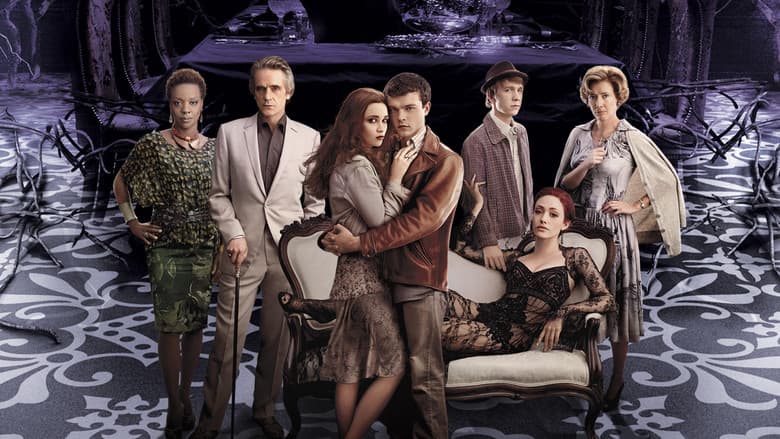
In a small South Carolina town with a narrow mind, Ethan (Alden Ehrenreich) falls for Lena (Alice Englert), the new girl from a family everyone suspects of witchcraft, and for once the gossip is right. Richard LaGravenese adapts the Caster Chronicles by Kami Garcia and Margaret Stohl, with Jeremy Irons and Viola Davis lending gravitas and Emma Thompson gleefully playing both villains.
Think of it as Twilight with the roles reversed, since here the boy is the ordinary one and the girl carries the danger. A prophecy even warns that loving him could turn her dark. The planned sequels never happened, so the whole story fits into one evening.
Warm Bodies
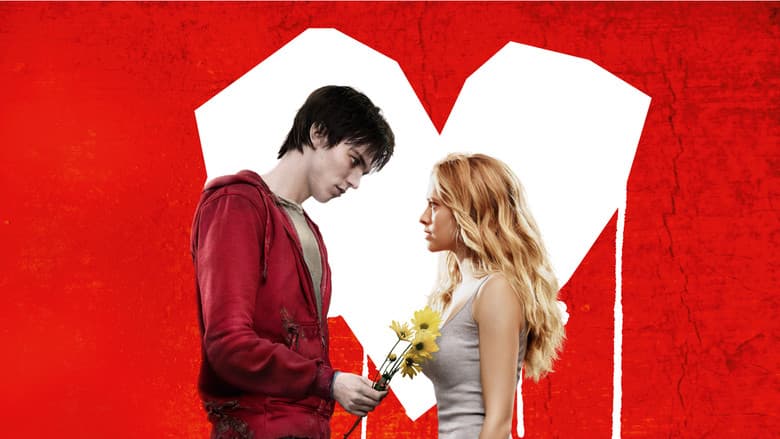
R (Nicholas Hoult) is a zombie with a rich inner life and almost no vocabulary, shuffling around the airport he calls home until he meets Julie (Teresa Palmer), a girl trained to kill his kind. Jonathan Levine adapts Isaac Marion's novel as a romantic comedy, and Hoult's deadpan narration does most of the comic work.
Strip away the undead and you get Romeo and Juliet, right down to the names, R for Romeo and Julie for Juliet. For Twilight fans the setup is familiar ground: a boy who could literally eat the girl and decides to protect her instead. He just has to learn to talk first.
Tired of picking films by other people's ratings?
MyKinoList predicts your own. Start by rating a few films you've already seen.
Jennifer's Body
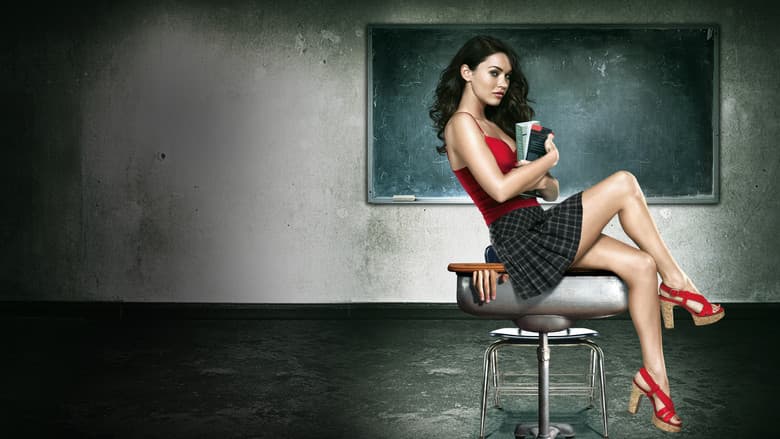
Megan Fox plays Jennifer, a high school cheerleader who gets possessed by a demon and starts feeding on the boys in her class, while her shy best friend Needy (Amanda Seyfried) tries to stop her. Karyn Kusama directed and Diablo Cody wrote it fresh off her Oscar for Juno.
It arrived a year after Twilight with the monster romance turned inside out: here the girl is the hunter and the boys are dinner. Cody wrote it for young women, but the studio aimed the marketing at young men, and the film made only $31 million worldwide. Audiences have since rediscovered it as a cult favorite.
Let the Right One In
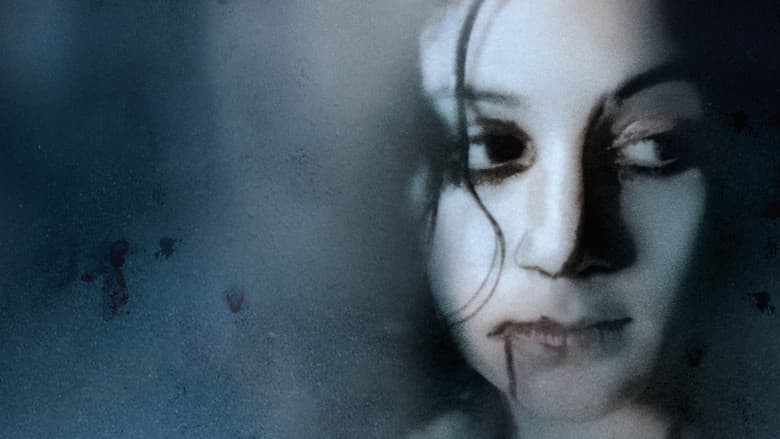
A lonely, bullied boy in a snowy Swedish town, Oskar (Kåre Hedebrant), makes friends with Eli (Lina Leandersson), the strange girl he only ever meets outside at night, who turns out to be a vampire. Tomas Alfredson, working from John Ajvide Lindqvist's novel and script, keeps everything hushed and wintry, so the few violent scenes land like a slap.
Released the same year as Twilight, it plays as its quiet opposite number. The outsider is the same, and so is the friendship with a creature who must hide what she eats, but the romance here is younger and colder, held in silence and snow instead of swooning.
Byzantium
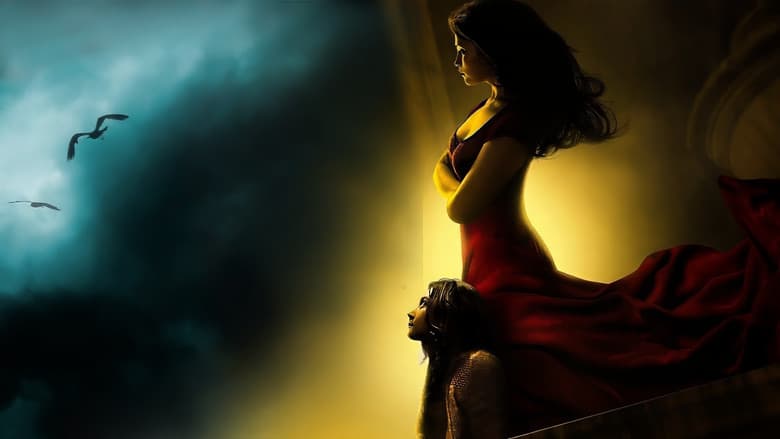
Neil Jordan, who made Interview with the Vampire, came back to vampires with Clara (Gemma Arterton) and her daughter Eleanor (Saoirse Ronan), on the run for two centuries and hiding out in a run-down English seaside town. Eleanor, stuck as a teenager forever, keeps writing her story down with pen and paper because she can never tell it out loud.
Then she meets a fragile local boy (Caleb Landry Jones), and the Twilight question returns: can you love a human without telling him what you are? Moira Buffini's script makes immortality look like a long, tiring kind of poverty, far from the glamorous vampire families of YA fiction.
A Girl Walks Home Alone at Night
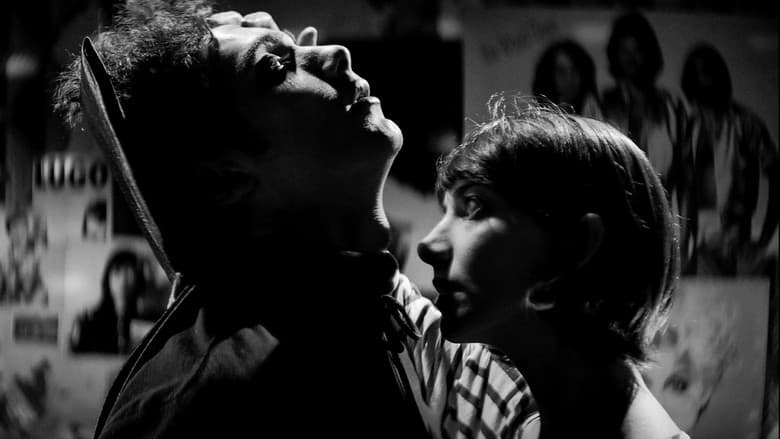
Ana Lily Amirpour's first feature was billed as the world's first Iranian feminist vampire spaghetti western, and somehow it earns the label. In black-and-white Bad City (played by Bakersfield, California), a girl in a black chador (Sheila Vand) skateboards the empty streets at night and feeds on the men who prey on everyone else. What little dialogue there is comes in Farsi.
The film's best scene is its meet-cute: Arash (Arash Marandi), high after a costume party and dressed as Dracula, crosses paths with the real thing. What follows is a shy romance between a lonely boy and a predator, Twilight's core idea boiled down to mood and silence.
Lisa Frankenstein
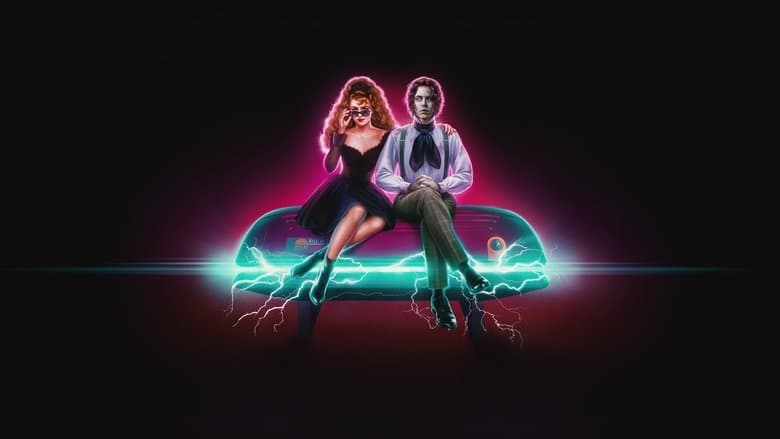
Diablo Cody went back to monster romance fifteen years after Jennifer's Body, this time with Zelda Williams directing. In 1989, Lisa (Kathryn Newton), a lonely high school senior still reeling from her mother's murder and stuck with a new stepfamily, accidentally revives the corpse of a young Victorian man (Cole Sprouse) in the local cemetery. He turns out to be very devoted.
Focus Features sold it as a coming of rage love story, and the film treats the brooding YA boyfriend as one long joke. He barely speaks and worships her completely, though he is short a few body parts. It is the most playful film on the list.
Bones and All
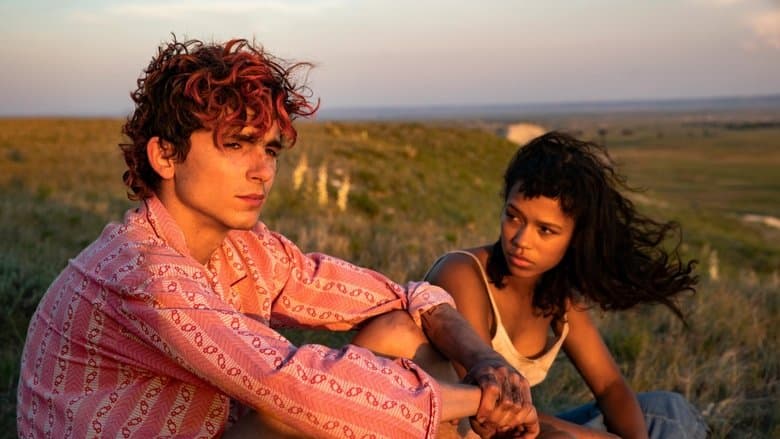
The hunger in Luca Guadagnino's film is literal. Maren (Taylor Russell) is an eater, someone who craves human flesh, abandoned by her family until she meets Lee (Timothée Chalamet), who has the same need, and the two drift into an outlaw life. Guadagnino, reunited with his Call Me by Your Name star, works from David Kajganich's adaptation of Camille DeAngelis's novel.
If Twilight is a romance about holding a dangerous appetite in check, this is the darker mirror, where two people who cannot always resist find the only person who understands. Guadagnino shoots it as a tender love story, so the bloody parts hit harder and a strong stomach helps.
Bram Stoker's Dracula
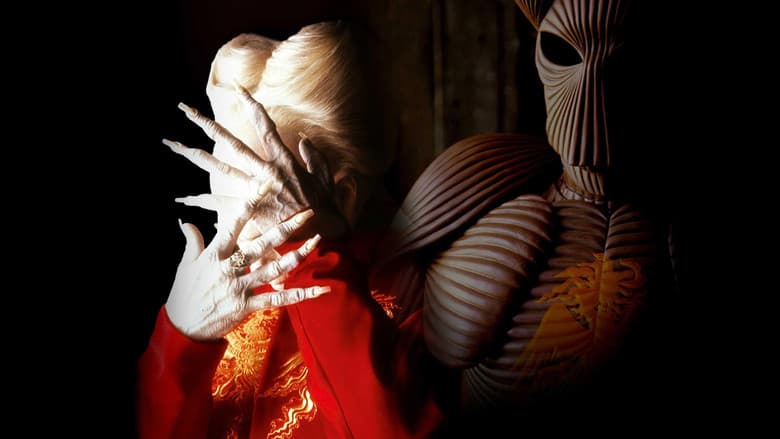
Francis Ford Coppola's opulent version turns Dracula (Gary Oldman, who also hunts the wolf in Red Riding Hood) into a romantic lead. Winona Ryder plays a double role as Mina and Elisabeta, and Keanu Reeves is Jonathan Harker, with Anthony Hopkins as Van Helsing on the hunt. Coppola made every effect in camera, the way Georges Méliès would have, with nothing digital.
Arriving sixteen years before Edward Cullen, it is, for our money, the grand ancestor of the immortal-lover romance, which makes it the right place to finish. One bonus fact: the wedding scene used a real Romanian priest, and Ryder and Reeves still joke that they are married.
Tired of picking films by other people's ratings?
MyKinoList predicts your own. Start by rating a few films you've already seen.