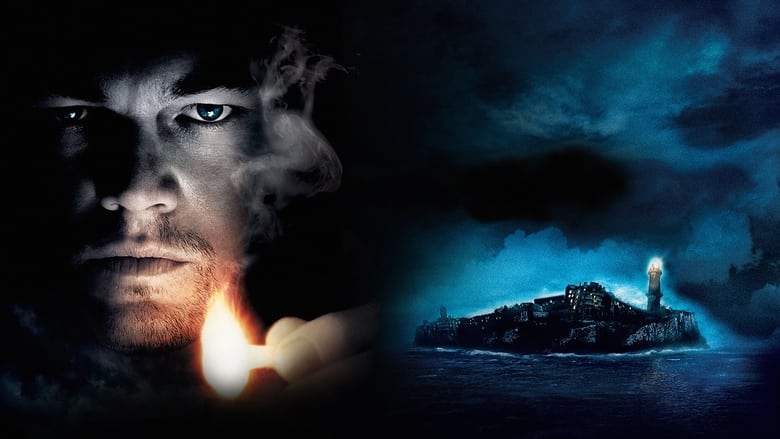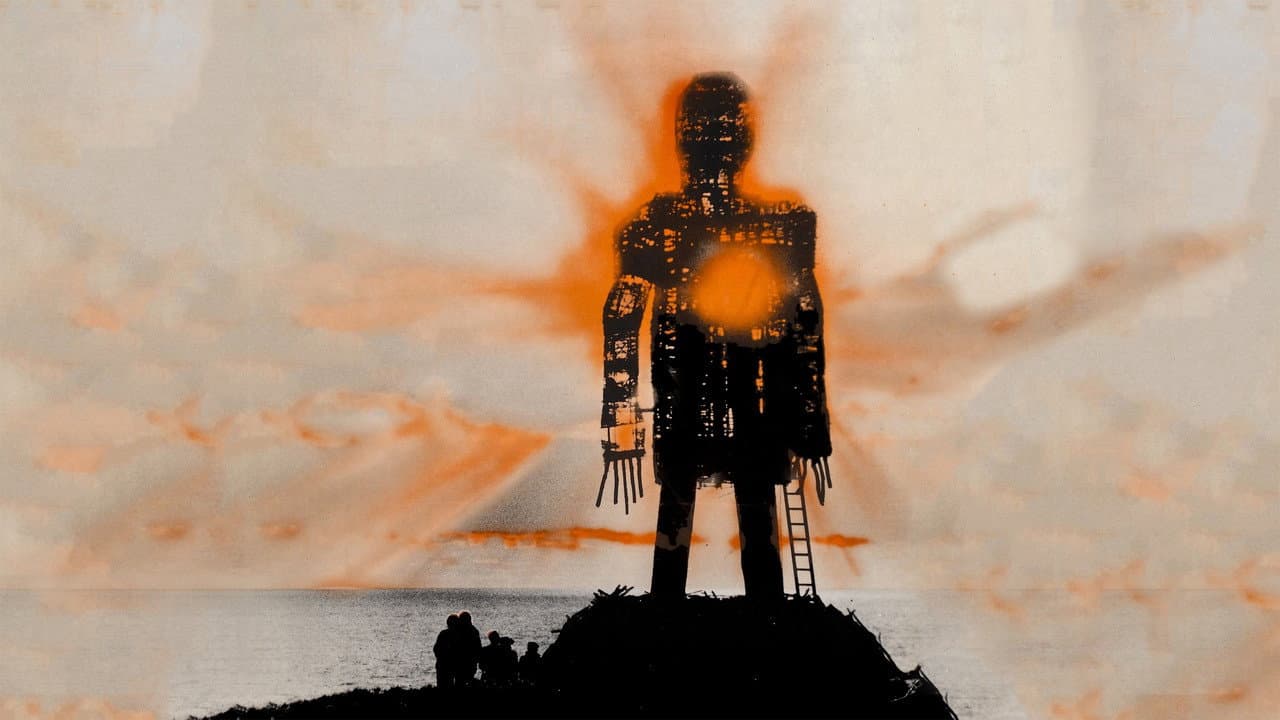
The Wicker Man taught horror to be afraid of a village. Sergeant Howie (Edward Woodward), a staunchly Christian policeman, travels to Summerisle, a remote Scottish island, to look for a missing girl called Rowan Morrison. He finds a community that has quietly gone back to the old gods under its charming leader, Lord Summerisle (Christopher Lee). Anthony Shaffer, the author of Sleuth, wrote the script. Robin Hardy staged the island's customs from his reading of Frazer's The Golden Bough, and Paul Giovanni filled the soundtrack with folk songs, some of them Robert Burns poems set to music. British Lion put it out as the second feature under Don't Look Now, and it has long since outgrown that billing.
The genre got its name much later. Mark Gatiss brought "folk horror" into wide use with his 2010 BBC Four series A History of Horror, and The Wicker Man, Witchfinder General and Blood on Satan's Claw are now often grouped as its Unholy Trinity. The recipe hardly changes from film to film. Take an isolated place and a community with its own rules, let old beliefs outrank the law, then send in an outsider who is far too sure of himself. The list runs in order of release, from a Japanese swamp in 1964 to an Icelandic sheep farm in 2021, so you can watch the idea travel. Each entry also says how rough it gets, since the range here runs from slow unease to real cruelty.
Onibaba
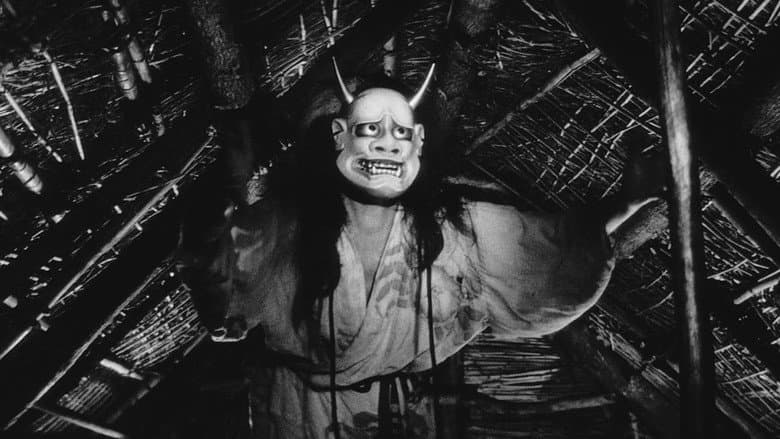
Kaneto Shindo wrote and directed this tale of two women surviving a civil war in medieval Japan. An older woman (Nobuko Otowa) and her daughter-in-law (Jitsuko Yoshimura) hide in tall susuki grass, kill stray soldiers, trade their armour for food and drop the bodies into a pit. Then Hachi (Kei Sato) returns from the war with news of the young woman's husband, and she takes him as a lover.
Shindo built the plot on a Buddhist fable, and a demon mask turns it into a folk tale with teeth. The grass hides a closed world with its own law, like the island in The Wicker Man. Grim, with little blood.
Viy
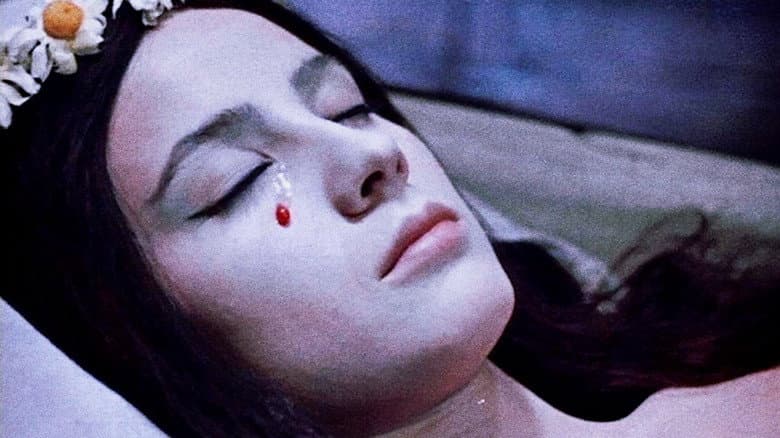
Soviet cinema made very few horror films, and this take on Gogol's 1835 story is the one people remember. Konstantin Ershov and Georgi Kropachyov directed, with Aleksandr Ptushko co-writing and running the effects. Seminary student Khoma Brut (Leonid Kuravlyov) kills an old witch who turns out to be a young woman (Natalya Varley), and he is made to read prayers over her body in a church for three nights.
The chalk circle Khoma draws on the floor sums up the genre in one image, a thin line between a frightened outsider and rules older than his own. The handmade creatures of the third night are eerie rather than gory.
Witchfinder General
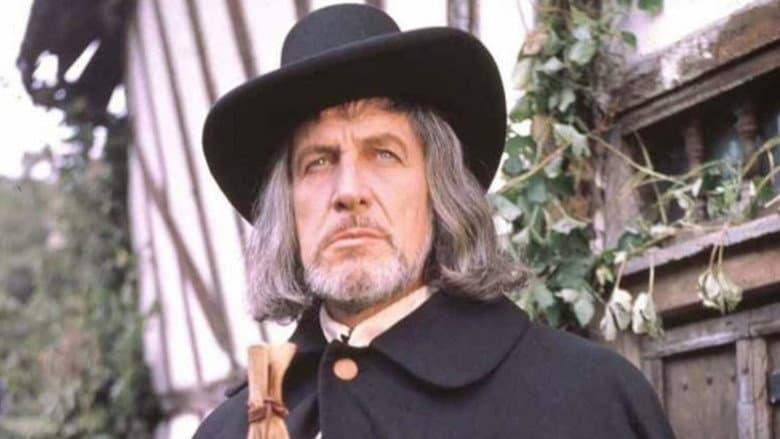
England, 1645, in the middle of the Civil War. Matthew Hopkins (Vincent Price), a former lawyer, rides from village to village hunting witches for a fee, with his assistant John Stearne (Robert Russell). When they torment the priest John Lowes and his niece Sara (Hilary Dwyer), Richard Marshall (Ian Ogilvy), a young cornet in Cromwell's army, swears revenge. American audiences got it as The Conqueror Worm.
Michael Reeves was 25 when he died in 1969. The BFI calls this the most nihilistic of the Unholy Trinity. Here the old superstition wears the robes of the law, and the torture scenes make it the hardest watch among the early films.
Tired of picking films by other people's ratings?
MyKinoList predicts your own. Start by rating a few films you've already seen.
Blood on Satan's Claw
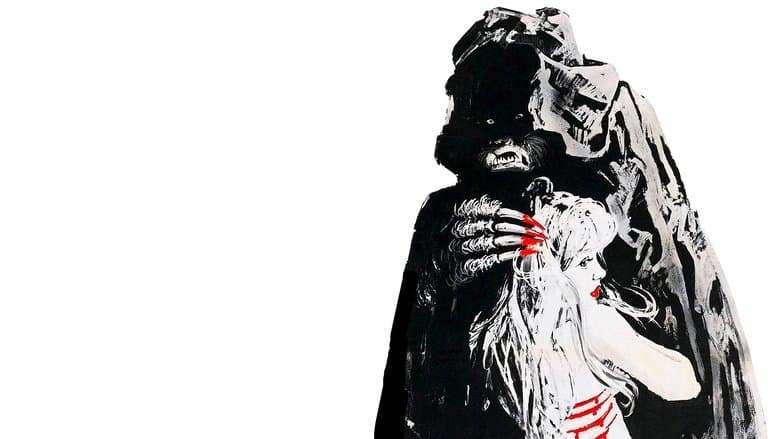
Ploughing a field in 18th-century England, farmhand Ralph Gower (Barry Andrews) turns up a deformed skull still covered in fur. The local judge (Patrick Wymark) dismisses it as superstition, and before long the village children have fallen under the sway of Angel Blake (Linda Hayden) and formed a cult of their own. Piers Haggard directed from Robert Wynne-Simmons's script.
The story started life as an anthology, which explains its loose, episodic rhythm. Haggard later said he had been trying to make a folk horror film, and the evil here literally grows out of the soil. It is the least famous of the Unholy Trinity and the most lurid.
The Wicker Man
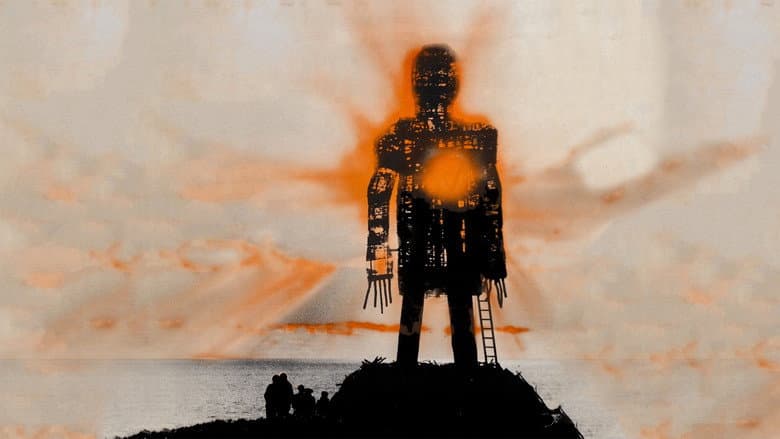
Robin Hardy's film starts as a police procedural. Howie questions the islanders about the missing girl, and every answer he gets is polite and useless, while maypole dances and songs fill the spaces between his interviews. Woodward plays him as a devout, rigid man appalled by nearly everything, and Lee makes the island's leader so courteous that the threat registers late.
Every later film on the list answers this one. The fear comes from a community that is perfectly content with itself, and from an outsider who keeps mistaking politeness for innocence. The studio cut it without Hardy's input, so the version you find matters.
The Witch
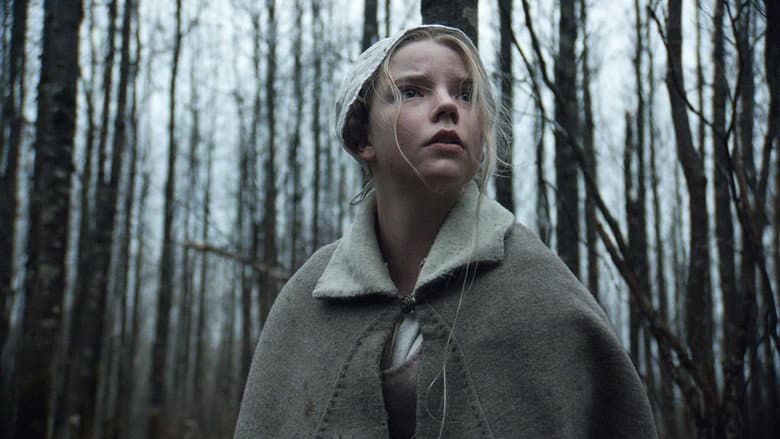
Robert Eggers's debut is set in 1630s New England. A Puritan family lives alone beside a forest, William (Ralph Ineson), Katherine (Kate Dickie) and their five children, the eldest of them Thomasin (Anya Taylor-Joy). Then the newborn, Sam, vanishes without a trace, and the twins start chanting strange rhymes.
Folk horror usually sends an outsider into a community. Eggers turns that inside out: the isolated place is one farm, and the old beliefs pressing down on a teenage girl belong to her own family. It premiered at Sundance and builds its dread slowly, though it does turn violent.
The Wailing
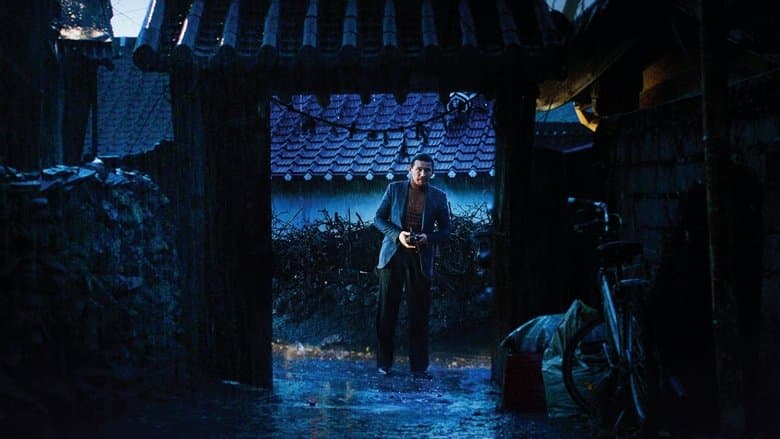
Na Hong-jin's film begins after a Japanese stranger (Jun Kunimura) settles near Gokseong, a small town deep in the Korean countryside. Soon the town is hit by violent deaths and a strange illness, and when the daughter of local policeman Jong-goo (Kwak Do-won) falls sick, a shaman, Il-gwang (Hwang Jung-min), is brought in.
At 156 minutes it is the longest film here and the hardest to pin down. The village's fear of a foreigner drives the plot, and Na keeps you unsure for most of the running time whose beliefs are right. Expect real gore and an exhausting ritual sequence.
Apostle
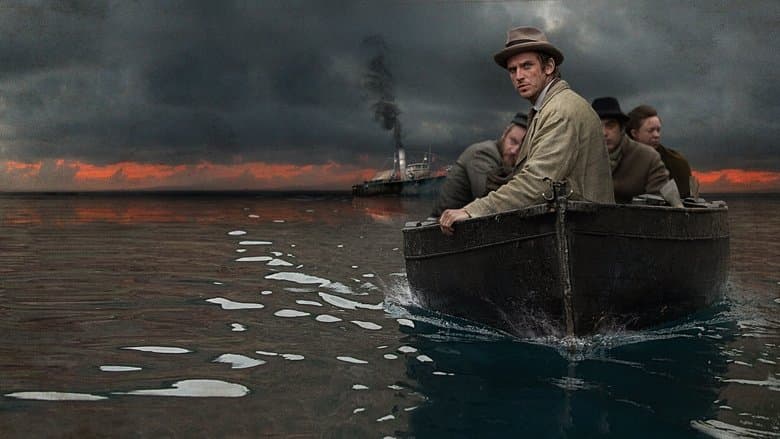
Gareth Evans, the director of The Raid, takes the island setup and pushes it towards splatter. Early in the 20th century, Thomas Richardson (Dan Stevens) comes home after a long, unexplained absence to learn that his sister has been kidnapped and is being held for ransom on a remote island. The island belongs to a cult led by a charismatic prophet, Malcolm (Michael Sheen).
The parallels with Summerisle start with the geography, but Evans cares far more about what a closed community does to a human body. This is the most violent film on the list and one for late at night, after the faint-hearted have gone to bed.
Midsommar
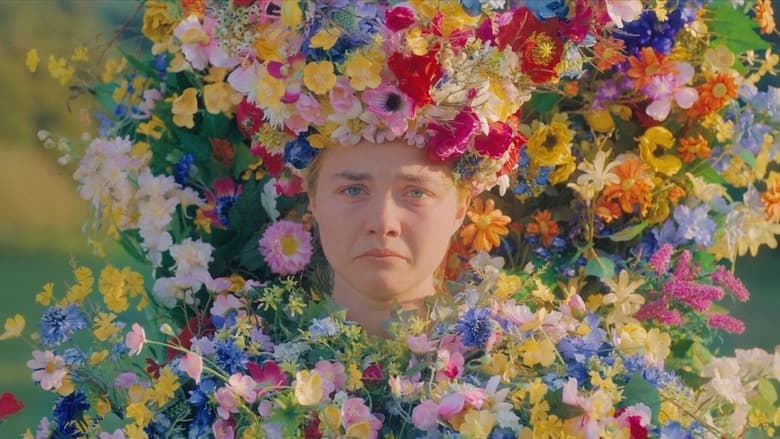
Ari Aster followed Hereditary with a horror film set almost entirely in daylight. After a family tragedy, Dani (Florence Pugh) joins her boyfriend Christian (Jack Reynor) and his friends on a trip to Hårga, a remote village in Sweden, where a midsummer ceremony is held only once every 90 years and the sun barely sets.
It is the closest descendant of The Wicker Man here, a comparison the Sight and Sound review made too. There is nothing overtly supernatural. The threat is a community so warm and welcoming that refusing anything starts to feel rude. A couple of moments are very graphic.
Lamb
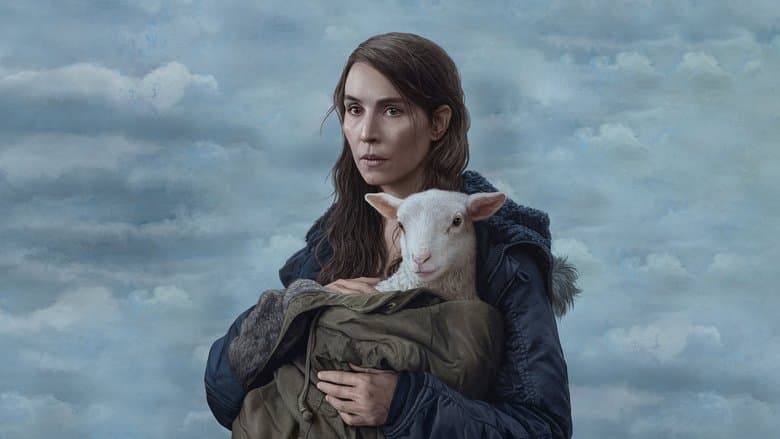
Valdimar Jóhannsson's debut, co-written with Sjón, is set on a lonely sheep farm in Iceland. María (Noomi Rapace) and Ingvar (Hilmir Snær Guðnason) live quietly with their flock until one ewe gives birth to something that is not entirely a lamb. They name her Ada and raise her as their daughter, and then Ingvar's brother Pétur (Björn Hlynur Haraldsson) turns up.
Sight and Sound called it unabashed folk horror, and it closes the list because it shows how far the genre has travelled. There is no cult, only a couple who have broken an old rule of nature and refuse to see it. Quiet and slow, with almost no gore.
Tired of picking films by other people's ratings?
MyKinoList predicts your own. Start by rating a few films you've already seen.